

CBLJ FORUM SHANGHAI 2025
Seizing opportunity, Managing risk
In an era defined by increasing global complexity, heightened regulatory demands, and the swift advancement of artificial intelligence, corporate counsel and executive leaders must directly address these challenges. It is essential for them to participate in practical and efficient exchanges with fellow leaders, leveraging their collective real-world experience and expertise. To serve this critical need, China Business Law Journal was proud to host the 2025 CBLJ Forum Shanghai on 28 November 2025, with the theme “Seizing Emerging Opportunity, Managing Global Risk” at the Grand Hyatt Shanghai.

Kelley Fong, CBLJ Publisher
The event attracted more than 500 senior executives, in-house counsel, and legal professionals from more than 300 Chinese and international enterprises, as well as 280,000 spectators tuning in to the live broadcast.
The forum featured in-depth discussions on 13 key topics of pressing concern to enterprises today. More than 80 legal experts and industry leaders took the stage to share their personal observations, insights, and practical advice.
As the curtain fell on the last session, 300 senior executives and GCs were invited to a closed-door CBLJ Club banquet for an annual party, and to present award certificates to the winners of CBLJ’s In-House Impact Awards 2025.

Ma Yi
In his opening statement, Ma Yi, vice chairman of the Shanghai International Arbitration Centre, says that “Chinese firms are going outbound at a pace and to an extent heretofore unprecedented”. This, he observes, makes arbitration the go-to method for resolving international commercial disputes. China’s recently revised Arbitration Law aims to encourage local arbitration institutions to partake in international competition.
“Amid strong international headwinds, the rule of law serves as the most reliable ballast keeping us steady, while arbitration the vessel that helps businesses navigate safely towards lasting success,” he says.

George Lu
George Lu, vice president of the Shanghai Bar Association, highlights select topics for the events – ranging from AI, outbound ventures to supply chain security – describing them as “extremely challenging and timely”. He further compliments the “impressive” speaker lineup.
“With all the changes happening both domestically and internationally, we of the legal community are facing growing challenges every day,” he says, but nevertheless puts forward an initiative to “come together to build a more open and inclusive ecosystem for business and legal”.
Chen Hao, executive vice president of the Shanghai Corporate Counsel Association (SCCA), sheds light on the changing role of in-house counsel, transitioning from traditional contract reviewers and risk alerters to innovation drivers and compliance value creators.

Chen Hao
“Alone, one falters under the weight; together, we stride on the road,” he says, quoting an ancient prose. “The professional growth of in-house counsel depends greatly on the collective strength of the community and on the inspiration that comes from cross-sector exchange and shared insight.”
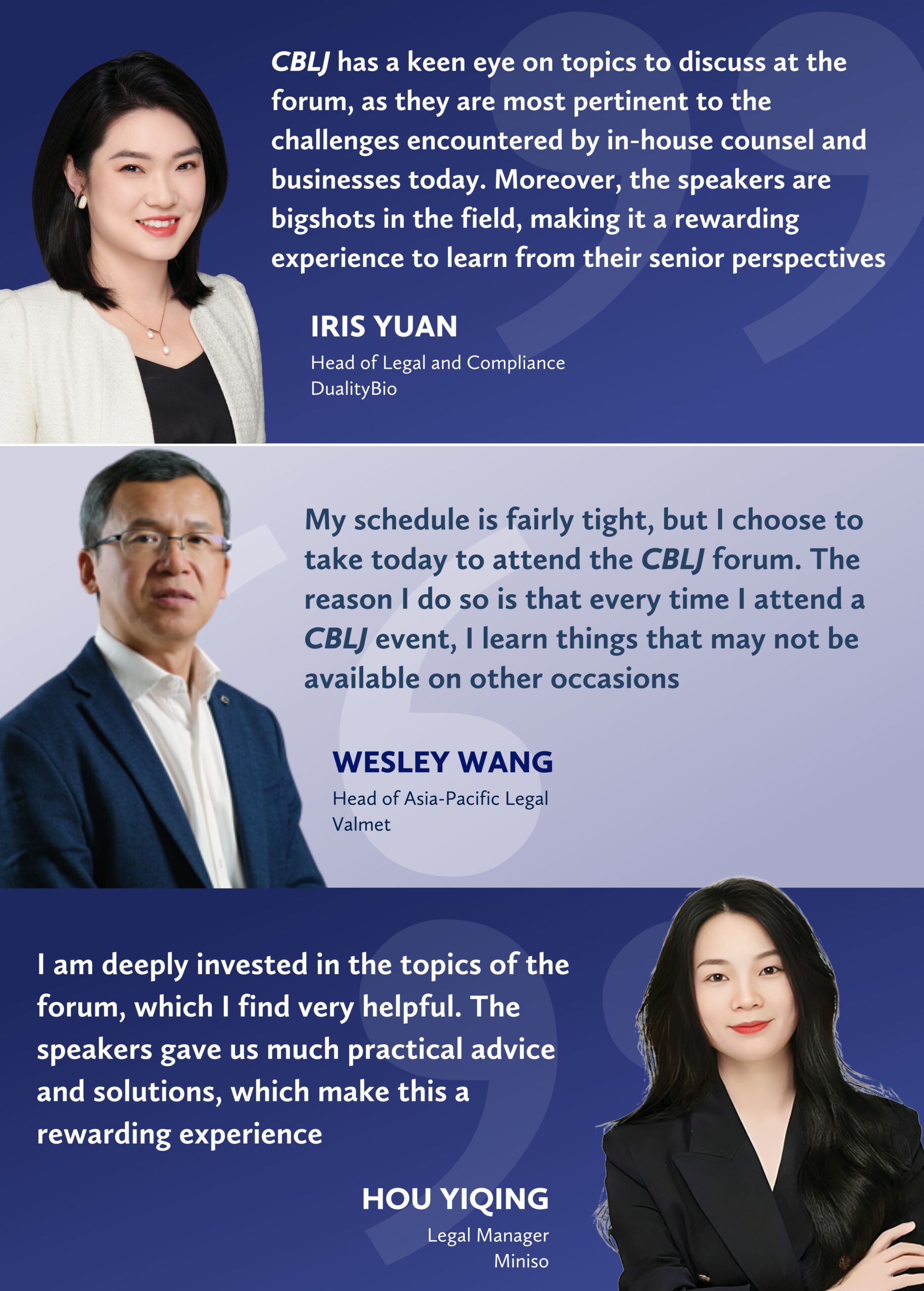
The rest of the article will be dedicated to highlights and insights from the speakers of each session. Please click HERE for more forum images and attendee comments.
The main events of the day were the panel discussions, with four sessions held in the morning, including:
- Outbound compliance challenges amid geopolitical shifts
moderated by Fangda Partners
- Best route for cross-border dispute resolution
moderated by Hylands Law Firm
- Cross-border asset recovery and enforcement
moderated by Pillsbury
- Navigating AI government regulations across the globe
moderated by Dacheng Law Offices
Afternoon sessions were split into three workshops. In workshop one, the sessions were:
- Behind and ahead of the new Company Law
moderated by Shihui Partners
- In and out: FOFs and buyout funds
moderated by Jia Yuan Law Offices
- Overcoming difficulties in enforcement and the deadlock in nonperforming assets disposal
moderated by Joint-Win Partners
In workshop two, the sessions were:
- Frontiers in Chinese arbitration practice
moderated by Grandall Law Firm
- Navigating the M&A minefield
moderated by AllBright Law Offices
- Cross-border dispute resolution and compliance challenges for Hong Kong-listed companies
moderated by Merits & Tree Law Offices
In workshop three, the sessions were:
- Prevention of criminalisation of debt in corporate disputes
moderated by Kangda Law Firm
- Trusted data spaces: New compliance paradigm for medical data flows
moderated by Wintell & Co
- AI practice and empowerment in core business scenarios
organised and moderated by speakers themselves
FORUM HIGHLIGHT
Special Acknowledgement
Co-organizers: Fangda Partners; Hylands Law Firm; Pillsbury; Dacheng Law Offices
Media Partners: Sina Finance|Special Partner: LAW+
Platinum Sponsors: SHIAC; SCCA; BCI & BIMC
Sponsors: Shihui Partners; Grandall Law Firm; Kangda Law Firm; Jia Yuan Law Offices; AllBright Law Offices; Wintell & Co; Joint-Win Partners; Merits & Tree Law Offices
Morning sessions
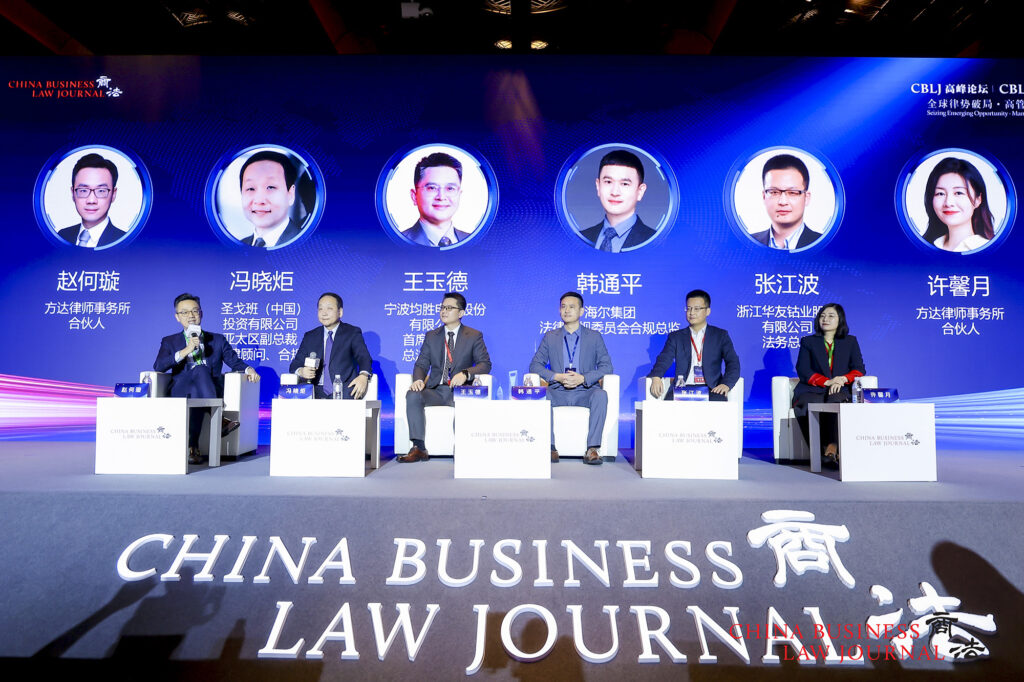
Outbound compliance challenges amid geopolitical shifts

Fangda Partners panellists:
Sherry Xu, partner
Derrick Zhao, partner
Institution/Enterprise panellists:
Feng Xiaoju, VP legal and business ethics & compliance officer of APAC region, Saint-Gobain (China) Investment
Gary Wang, chief legal officer and general counsel, Joyson Electronics
Hank Han, compliance director of legal and compliance committee, Haier Group
Zhang Jiangbo, legal director, Huayou Cobalt

Feng Xiaoju
FENG XIAOJU centres his discussion on two keywords: geopolitics and compliance, pointing out that these have become core issues that businesses operating across borders must face. He says drastic changes in the global macro environment are having a profound impact on corporate operations. Furthermore, he identifies three major trends – the “weaponisation” of international rules, the rise of resource nationalism and the convergence of global regulatory legislation – that are compelling companies to respond rapidly and prioritise compliance systems.
In response, he suggests that enterprises focus on top-level design and preliminary assessments. They must weigh the macro environment against their own business models and integrate compliance systems across both headquarters and branch offices. Crucially, he advises cultivating a company-wide culture of compliance where awareness becomes instinctive behaviour rather than relying solely on supervision.

Gary Wang
Gary Wang laments: “Investment and international interactions we once considered normal have become increasingly difficult, struggling with every step.” In the current geopolitical landscape, the weaponisation of law has become the new normal, presenting Chinese outbound enterprises with multilayered challenges.
Domestically, he notes the comprehensive tightening of ODI approvals, significantly complicating cross-border investment and capital increases, alongside strict export controls on critical materials such as rare earths. Internationally, the US and Europe have intensified compliance requirements through legislation and human rights reviews, putting overseas orders at risk of disruption.
He advises businesses to proactively communicate to secure room for domestic approvals and to properly utilise exemption mechanisms to alleviate supply chain pressure. At the same time, they must build a systematic compliance framework, promoting cross-departmental collaboration between legal, business and management teams. This is essential to achieving a dynamic balance between global compliance and localised operations.

Hank Han
Hank Han shares Haier Group’s experience in addressing challenges during its expansion into overseas markets, approaching the topic from two perspectives: impact and response. In terms of impact, he notes that the current international environment has significantly affected four key areas: the overseas development of Chinese businesses, technological enhancement through M&A, the security of overseas assets, and the stability of global supply chains.
In terms of response, Haier’s globalisation strategy relies on two main tracks: organic growth and expansive M&A. Through the localisation of R&D, manufacturing and branding, Haier enhances supply chain resilience and stays close to the market. Externally, the M&A strategy requires it to decisively abandon high-risk regions and focus on connecting with expert resources to tackle medium-risk markets. He emphasises that regardless of the path chosen, building a compliance system is the cornerstone.

Zhang Jiangbo
Zhang Jiangbo focuses on the challenges brought by geopolitics and businesses’ response strategies. He says companies strive for balanced development and need to adapt to the new trend of upstream and downstream integration. In certain upstream resource-rich countries, “resource nationalism” has emerged, where local governments require foreign investors to extend industrial chains and increase added value.
On the downstream side, Europe and the US have introduced legislation promoting supply chain localisation, meaning Chinese firms must collaborate to access these markets. Faced with complex regulations, Huayou needs to negotiate compromises on compliance and ESG standards with Western carmakers, while using external legal resources to co-construct compliance frameworks. “An effective management system is the ultimate solution to geopolitical risk,” he says.

Sherry Xu
Sherry Xu says the new era places higher demands on M&A lawyers. Currently, more than 80 nations have established foreign investment review regimes – many targeting China – requiring lawyers to possess both a macro perspective and foresight. Modern M&A must weigh multiple factors, including technology export controls, domestic and foreign regulatory restrictions, and local employment impacts, necessitating lawyers to become multi-talented. Furthermore, lawyers whose scope has expanded to global compliance must not merely act as information passers; they must integrate international legal opinions and proactively learn to distil practical solutions.
Although feeling immense pressure, Xu remains confident of the future. “Behind great lawyers are stellar clients,” she says. “The legal community is certain to have a significant role to play in the outbound ventures.”
Photos

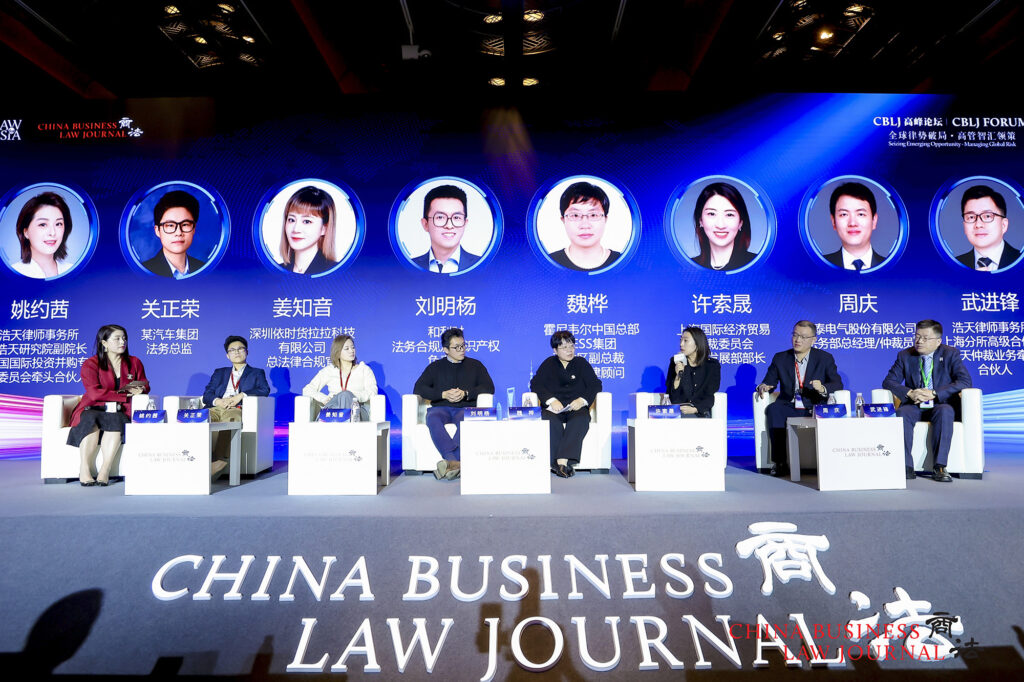
Best route for cross-border dispute resolution

Hylands Law Firm panellists:
Oliver Wu, senior partner at Shanghai office, lead partner in arbitration
Jessie Yao, deputy director of Hylands Institute, leading partner of the international investment & M&A committee
Institution/Enterprise panellists:
Glory Guan, legal director at a leading Chinese carmaker
Jean Jiang, general counsel and compliance officer, Yishi Huolala Technology
Kobe Liu, general counsel, HollySys
Wei Hua, VP & general counsel of China corporate & ESS APAC, Honeywell
Xu Suosheng, director of co-operation and development department, Shanghai International Arbitration Centre
Zhou Qing, arbitrator; general manager of legal department, Chint Electric

Jiang Qi
JIANG QI, DIRECTOR of the Shanghai office of Hylands Law Firm and chairman of its national board of directors, opened this session. Centring on the theme of outbound investment, Jiang put forward two core arguments: First, Chinese enterprises require the tripartite collaboration of specialist lawyers, industry lawyers and local counsel to safeguard their operations; second, expanding overseas should not merely be about risk mitigation, but also value creation. In terms of disputes, he quips that arbitration should be viewed not as ADR (alternative dispute resolution), but as FDR (first-choice dispute resolution), while further advising businesses to prioritise Chinese arbitration institutions whenever feasible.

Glory Guan
Glory Guan says Chinese intelligent-connected vehicles (ICVs) face systemic restrictions in European and US markets. Under the impact of the EU’s anti-subsidy investigation and the new US ICTS regulations, exports are effectively being “encircled and intercepted”. Although China now leads the world in total automobile exports, exports to the US account for less than 2%, and the US ICTS rules serve to further restrict relevant Chinese industries.
Therefore, she advises businesses “not to put all their eggs in one basket” and adopt a diversified layout strategy. She recommends avoiding the excessive concentration of supply chains, production, or legal entities, and paying close attention to the BIS 50% rule.

Jean Jiang
Lalatech’s overseas brand, Lalamove, operates in regions such as Southeast Asia and South America. Its primary challenge lies in the fragmentation of global regulations regarding data protection. Jean Jiang says the company encounters three main difficulties: First, requirements for cross-border data transmission vary between jurisdictions; second, standards for the classification and management of “sensitive data” are not unified; and third, there is friction between compliance processes and operational efficiency, as cumbersome data transmission mechanisms potentially affect global scheduling and order response speeds.
To address these challenges, Lalamove implements numerous measures, says Jiang, including establishing a global compliance framework, refining data classification and tag management, and appointing data protection officers (DPOs).

Kobe Liu
Kobe Liu believes that regarding global IP strategy, the primary question for outbound businesses is not “how to do it”, but rather if it is worth doing at all. In jurisdictions where IP protection systems are not yet robust, even if relevant laws exist, their actual enforcement may fall short significantly from written regulations. Therefore, he believes companies must carefully evaluate whether a patent that might take 20 years to yield results is worth applying for at present.
Furthermore, given the premise of limited resources, Liu advocates concentrating efforts on targeting high-value core patents. He suggests validating core patents domestically before bringing them overseas. Regarding market access, China’s technical and compliance standards in the smart manufacturing industry are already cream of the crop, so applications pose few problems. However, the biggest challenges stem from export controls and supply chain shifts caused by geopolitical factors. These issues can make things difficult for Chinese enterprises, such as the possible need for repeated certifications when replacing core components.

Wei Hua
As a representative of multinationals at the panel, Wei Hua shared two observations on compliance systems for outbound Chinese enterprises. First, compliance is fundamentally a cost rather than revenue; therefore, businesses need to plan their compliance investment according to their stage of development. For smaller-scale companies focused on business growth, the return on investing in a massive compliance system may be limited, making the use of external counsel perhaps more practical.
Second, a gap remains between some Chinese businesses and the more mature practices of developed countries on legal mindset and investment. Often, companies only turn to local lawyers when problems arise in their overseas operations. “Legal departments act like an ambulance. When a business climbs a mountain and falls, we drive them to the hospital,” she says. “What we hope to do is to build ‘safety nets’ at critical positions on the mountain.” This, she says, requires in-house counsel to constantly remind the management of the importance of investing in legal.

Xu Suosheng
Xu Suosheng, speaking from the perspective of an arbitration institution, offers three suggestions for enterprises going global during contract signing: First, establish flexible mechanisms within clauses, such as price adjustments, to cope with changes in the external environment; second, keep in mind the international law and universally accepted international rules; third, unify dispute resolution clauses across related contracts.
In complex cross-border transactions, there is often a series of upstream and downstream contracts. She advises businesses to unify core elements – arbitration institution, the seat of arbitration and the governing law – across all such contracts. This can effectively avoid future disputes over jurisdiction and the application of law, and improve the efficiency of resolutions.

Zhou Qing
Zhou Qing argues that Chinese electrical companies should dynamically adjust their dispute resolution strategies as they progress through different stages of internationalisation. He identifies four key phases: (1) Product exports. When disputes typically arise from overseas buyers defaulting on payments, arbitration is recommended to balance enforceability and applicable law; (2) Chinese firms establish overseas trading companies, when disputes become more varied, making litigation potentially more suitable than arbitration; (3) Overseas turnkey projects, where dispute resolution clauses are often the product of compromise, leaving limited room for autonomous choice; and finally (4) Diversified overseas investment, such as owning renewable energy projects abroad or establishing production and R&D facilities through greenfield investments, which significantly strengthens the company’s negotiating position.
However, Zhou cautions that Chinese companies frequently pay a double premium in M&A deals, necessitating considerable compromise.

Oliver Wu
Oliver Wu likens the collaboration between external and in-house lawyers in dispute resolution to artillery and ammunition on the battlefield, requiring close co-ordination. External lawyers serve as the artillery, responsible for determining when and where to fire, taking the form of litigation or arbitration strategies and managing procedures. In-house legal teams, meanwhile, are tasked with supplying the ammunition by gathering, organising and co-ordinating evidence. As Wu observes, poor internal collaboration is akin to firing a dud shell. “No matter how timely or accurate the shot, it will prove futile,” he says.

Jessie Yao
Jessie Yao concludes that, in an era where globalisation and deglobalisation coexist, compliance is no longer merely a cost but a core competitive advantage. Likewise, dispute resolution has evolved beyond straightforward litigation into a holistic endeavour encompassing legal, commercial and geopolitical considerations.
“This requires companies to not only understand international rules but also develop the capacity to shape and apply them,” she says. “Beyond establishing static compliance frameworks, businesses must cultivate the resilience to navigate dynamic risks and the agility to adapt to rapid changes.”
Photos

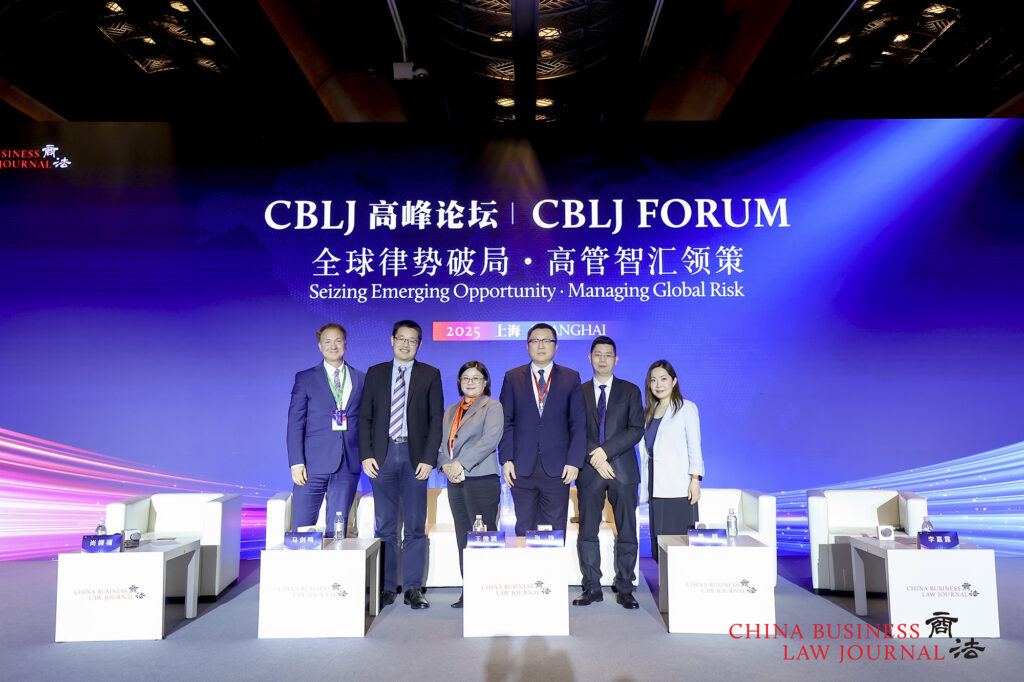
Cross-border asset recovery and enforcement

Pillsbury panellists:
Carol Lee, chief representative of Beijing office, litigation partner
Geoffrey Sant, co-chair of China practice, litigation partner
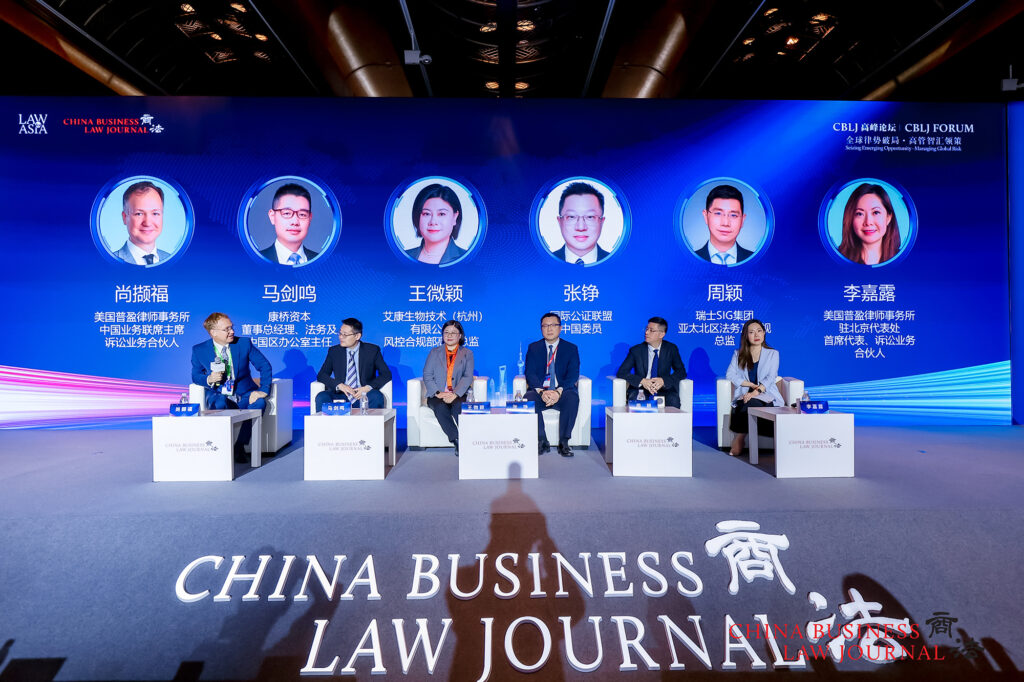
Institution/Enterprise panellists:
Oak Ma, managing director, China chief of staff, CBC Group
Wang Weiying, senior director of risk control and compliance department, Acon Biotech
Zhang Zheng, China committee member, International Union of Notaries (UNIL)
Kenneth Zhou, head of legal and compliance, Asia-Pacific North region, SIG Group

Kenneth Zhou
HOW DIFFICULT IS cross-border asset recovery? Kenneth Zhou identifies the primary obstacle as legal conflict: different legal systems have markedly divergent standards and remedial procedures for core concepts such as fraud and injunctions. Additionally, wrongdoers deliberately conceal and transfer assets, greatly complicating tracing and identification efforts. Finally, he corrects a key misconception: cross-border asset recovery is not about winning a case, with the keyword being “recovery”. Without timely and effective freezing and enforcement measures, a favourable judgment may prove worthless.

Oak Ma
Oak Ma emphasises that handling cross-border disputes requires a results-oriented approach: the aim is not to win or lose, but to secure sufficient economic benefit for the company. He advises businesses not to be intimidated by complex structures established by recovery targets, as these may not be entirely effective from a litigation perspective. Leveraging different legal theories and remedies across jurisdictions can often yield unexpected results. He also says litigation can be used strategically as a bargaining chip, compelling the opposing party back to the negotiating table.

Wang Weiying
Wang Weiying argues that successful asset recovery hinges on strategy. The first step is identifying assets through local law firms or other legitimate institutions, particularly those concealed via nominee shareholdings, offshore structures or trusts. Once assets are located, legal procedures should be deployed flexibly. For instance, parallel proceedings can be initiated where the jurisdiction permits to secure asset freezing orders. In major cases, a combined civil and criminal approach may be considered, leveraging public authorities, such as money laundering charges in Europe, to pressure debtors, break enforcement deadlocks and facilitate repayment.

Carol Lee
Discussing cases where Pillsbury helped clients recover sums far exceeding their original losses, Carol Lee attributes this success to the thorough application of legal principles. Many jurisdictions permit substantial post-judgment interest, and relevant laws may allow recovery of all legal fees paid by the client, as well as interest on those fees. This approach transforms legal proceedings from a means of compensating losses into a potential source of additional value.

Geoffrey Sant
Geoffrey Sant adds that some US states mandate treble damages in cases such as debt transfers. He cites an example where a company had USD20 million stolen, but ultimately recovered USD80 million due to such damages provisions.

Zhang Zheng
Zhang Zheng highlights the support that the International Union of Notaries can offer Chinese companies expanding overseas. Chinese delegates, he says, are actively participating in developing international notarial rules. Also, the union provides valuable networks, with notaries deeply embedded in local communities and governments, enabling them to assist effectively with cross-border legal matters such as powers of attorney and succession, while helping to mitigate risks commercial or otherwise.
He advises companies expanding overseas to pay close attention to China’s recently revised Anti-Money Laundering Law and Anti-Foreign Sanctions Law, as well as the application of international treaties. The Hague Convention, now in force for China, plays an indispensable role in facilitating the cross-border exchange of various documents.
Photos
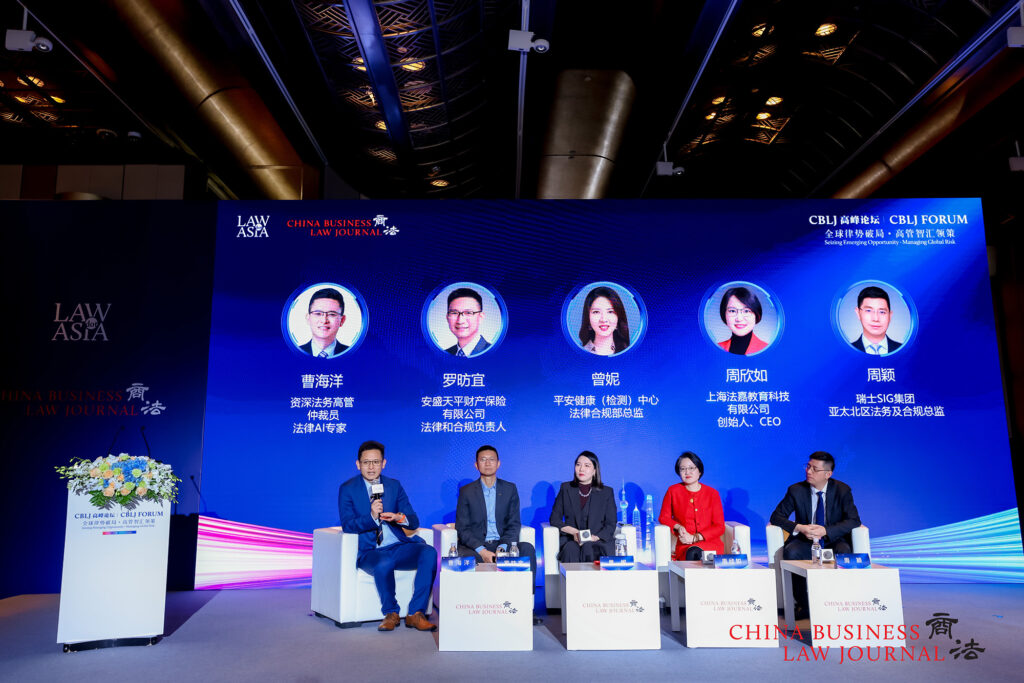
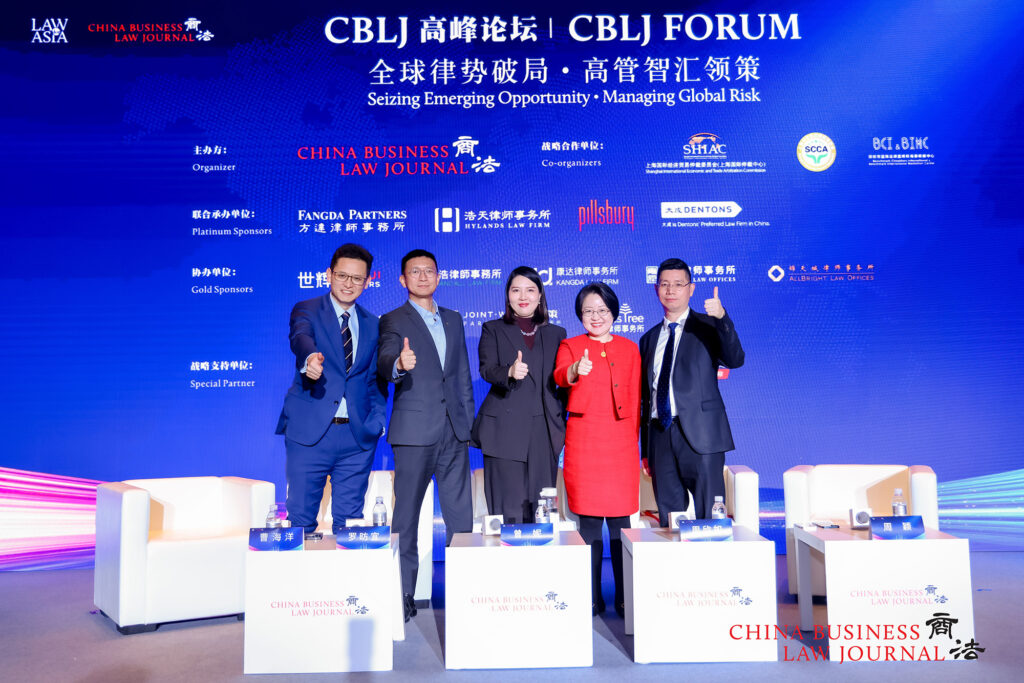
Navigating AI government regulations across the globe

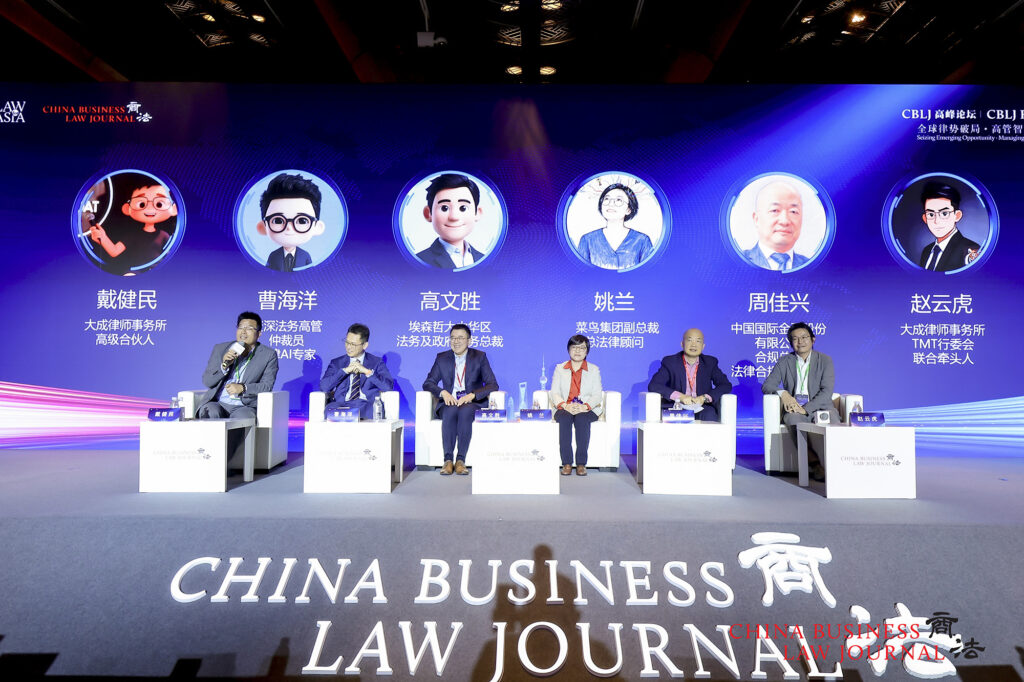
Dacheng Law Offices panellists:
Ken Dai, senior partner
Zhao Yunhu, co-head of TMT committee
Institution/Enterprise panellists:
Cao Haiyang, senior legal executive, arbitrator, legal AI expert
Allen Gao, legal & government relations lead, Accenture (Greater China)
Yao Lan, vice president and general counsel, Cainiao Group
Joe Zhou, chief compliance officer and head of legal and compliance department, China International Capital Corporation

Allen Gao
ADDRESSING THE FRAGMENTED global landscape of AI legislation and regulation, Allen Gao suggests that companies need to establish a dual-track governance framework, adhering to universal baseline requirements across jurisdictions while achieving differentiated regional compliance. “Companies must manage fragmented regulatory and compliance pressures on the one hand,” he says, “but more importantly, seize the commercial opportunities that AI presents on the other.”
He argues that for the legal teams of multinationals, the challenge extends beyond technical matters to reshaping corporate culture. He advises companies to recruit appropriate AI talent and encourage employees to embrace change.

Joe Zhou
Joe Zhou observes that large language models (LLMs) are currently reshaping the financial industry’s operating models, service ecosystems and competitive landscape. He shares CICC’s latest AI initiatives, highlighting two self-developed platforms: the first one being a one-stop computing platform integrating data, valuation and risk control resources; and the second one is a LLM development platform that significantly lowers technical barriers, enabling non-technical staff to build generative AI applications rapidly.
He predicts boldly that AI will increasingly approximate human cognition, development barriers will continue to fall, but even in an era of mature AI, companies’ proprietary data, expertise and knowhow will remain their most valuable assets.

Cao Haiyang
Cao Haiyang identifies contract management, case management, legal enforcement and underlying knowledge bases as the optimal scenarios for AI application in the legal sector, though the levels with which they can be implemented vary. General purpose LLMs may score 30-40 points, while trained models developed by specialist legal technology companies can reach 60-70 points. Achieving the 90-point professional standard that enterprises require hinges on conquering the “last mile” of deep training, he says.
Cao observes that some companies outsource AI work entirely to tech firms without internal expert guidance, while others are willing to invest in AI, but lack the organised data assets needed for training. He adds that if tech companies can develop effective AI models for leading enterprises, the impact will be significant. “They deliver not only AI products but also best-in-class management expertise,” he says.

Yao Lan
Yao Lan argues that elevating AI from 60 to 90 points and achieving practical implementation cannot rely simply on prompts. It requires systematically breaking down business requirements and converting core knowledge and techniques into standardised pathways that AI can execute. She notes that many highly repetitive, execution-intensive tasks can be delegated to AI for consolidation.
“In future, we need more legal professionals who understand and can effectively use AI, as well as technical experts with deep knowledge of vertical sectors,” she says. “Only then can AI be truly applied to real-world needs.”

Ken Dai
Ken Dai agrees, arguing that a company or department’s core objective in AI deployment is to transform its tacit knowledge and expertise into a proprietary LLM. “This is a sword that can be forged by you and no one else,” he says.

Zhao Yunhu
With discussion veering towards open source, Zhao Yunhu asks the audience: “Before the LLM and AI explosion, how much did you know about open source? How did AI become linked with open source?” He says that open source has long been a niche concept in legal services, until open-source models such as DeepSeek and Kimi brought it into the spotlight.
Open source is a prerequisite for local model deployment, but he cautions that companies must check whether licences contain additional restrictions when selecting models. For instance, some LLMs are prohibited from deployment in professional fields such as legal advice or healthcare, while certain licences impose specific requirements on distributing finished products to third parties.
Photos

Afternoon session | Workshop 1
Behind and ahead of the new Company Law

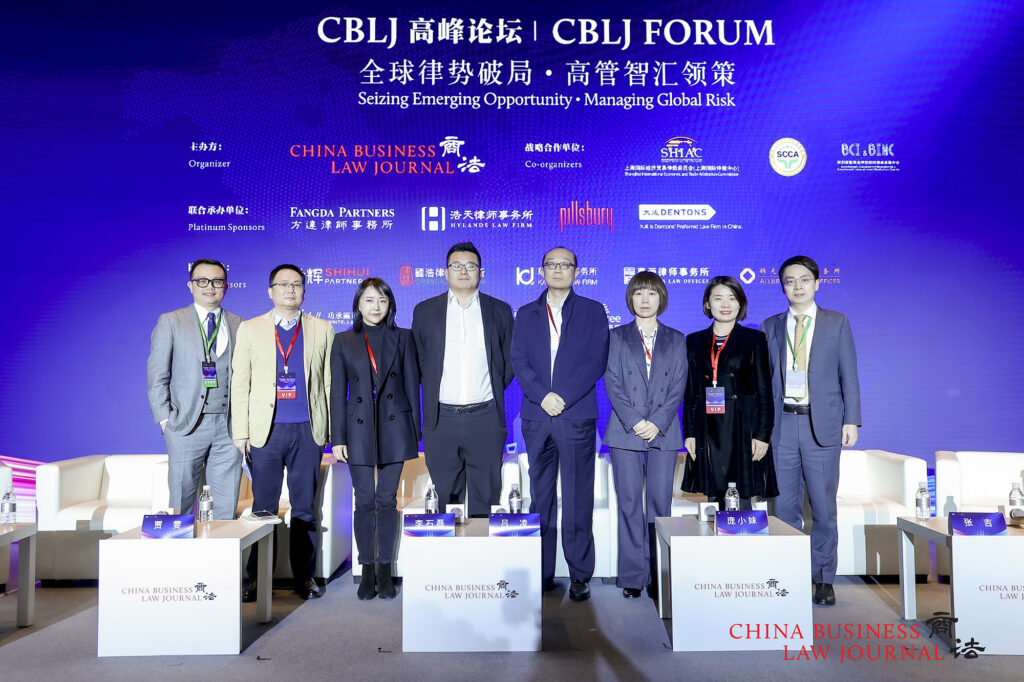
Shihui Partners panellists:
Guo Youning, partner
Darren Liang, partner
Institution/Enterprise panellists:
Sean Huang, director of risk control and legal, Jinwin Private Equity Fund Management
Carmen Jia, head of legal and compliance, Wyeth Nutrition
Li Shilei, director of compliance and legal department, Baheal Pharma Group
Lyu Ling, general manager of legal centre, Delixi Group
Pang Xiaomei, general counsel, Sohu
Tina Zhang, legal director of project operations, DNE Group
THE NEW COMPANY LAW has shaped companies’ corporate risk prevention and control. Pang Xiaomei shared with the audience on how to adapt to the shift in shareholder capital contributions from a subscription-based regime to a time-limited paid-in capital regime, as well as to the horizontal corporate veil-piercing regime.

Carmen Jia
Carmen Jia spoke about the impact of the new Company Law on foreign-invested companies and their responses to the revision.
On corporate governance, the new Company Law has adjusted managers’ and employees’ rights. Appointing supervisors to meet compliance requirements may only be a starting point for many companies, and it will take time to know whether companies will need to incorporate employees’ opinions more thoroughly into business strategies in the future.

Li Shilei
Li Shilei spoke about the litigation strategies and approaches that creditors can adopt in response to the legal revision.
He says the revision clearly states that, in litigation involving debt recovery, if a creditor wishes to add a new person subject to enforcement, this must be done through a trial. This new approach forces creditors to formulate a comprehensive and forward-looking recovery plan from the beginning of the proceedings.

Lyu Ling
Lyu Ling said there are three principles in the new rules governing related party transactions: honest disclosure, fair pricing and procedural fairness. He said the legislation has shown major improvement in regulating information disclosure, as shareholders may themselves, or by appointing accountants and lawyers, inspect the company’s accounting books and vouchers.

Tina Zhang
Tina Zhang reminds in-house counsel that directors have a duty to examine shareholders’ capital contributions.
Under article 51 of the new Company Law, where a shareholder has not made its contribution, and the directors have not implemented appropriate examination mechanisms, those directors may be liable for compensation. She urged legal departments to assess whether all directors would be required to bear such liability.

Sean Huang
Sean Huang said private equity funds attached great importance to the capacity and credibility of shareholders’ contributions.
The revised regulation provides that when a shareholder’s capital contribution is insufficient, other shareholders must bear joint liability to make up for the shortfall. The arrangement may differ from the fund’s original capital contribution limit arrangements. As a result, private equity funds will have to scrutinise the shareholders’ contributions closely during due diligence.
Photos

In and out: FOFs and buyout funds

Jia Yuan Law Offices panellists:
Chen Yimin, senior partner
Wang Yuan, senior partner
Institution/Enterprise panellists:
Chen Yi, general manager of the risk control and compliance department, Guosheng Capital
Jiang Wei, compliance director, Luxiang Fund Sales
Li Huiling, legal risk control manager, Oriza FoFs
Betty Xiang, general manager of PE legal and compliance, Ping An Trust

Chen Yi
CHEN YI shared with the audience the error tolerance mechanism that was introduced in the set of guidelines that the State Council published to promote the high-quality development of government investment funds.
He spoke about the scope of the error tolerance mechanism, saying that this has paved the way for state-owned enterprises to establish their own error tolerance frameworks, embedding the concept into their bylaws, fund structures and investment strategies.

Jiang Wei
Jiang Wei spoke about his experience of conducting due diligence when a fund of funds (FoFs) invests in its sub-funds, and talked about the key issues that need to be considered for different types of sub-funds. Jiang says the FoF manager dictates the selection and due diligence of its sub-funds, and they must “keep their eyes wide open” when selecting better-performing funds for its investors.

Li Huiling
Drawing on her own practical experience, Li Huiling shared insights on the exit process for FoFs. Exiting is always the end goal for financial investors, and there are two main exit strategies: passive and active.

Betty Xiang
A passive exit means that the sub-fund has direct control of the project, and the FoF will step in when the sub-fund formulates an exit strategy. An active exit means exiting through the transfer of secondary fund interests.
Betty Xiang shared strategies for investing insurance capital, a kind of patient capital. In recent years, Ping An has gradually shifted towards an M&A-driven investment strategy. M&A transactions are mainly completed through co-operating with other investment institutions or partnering with industrial capital.

Chen Yimin
Chen Yimin analysed the evolving trends of FoF and M&A funds in recent years, from the perspective of a legal practitioner. Before 2023, he said, there were more blind-pool funds and direct investment funds. After 2024, there has been an increase in alternative funds. At present, FoFs are active and the scale of M&A funds has increased compared with previous years. There would be a lot of potential in these two markets in the next two years, Chen said.
Photos


Overcoming difficulties in enforcement and the deadlock in non-performing assets disposal

Joint-Win Partners panellists:
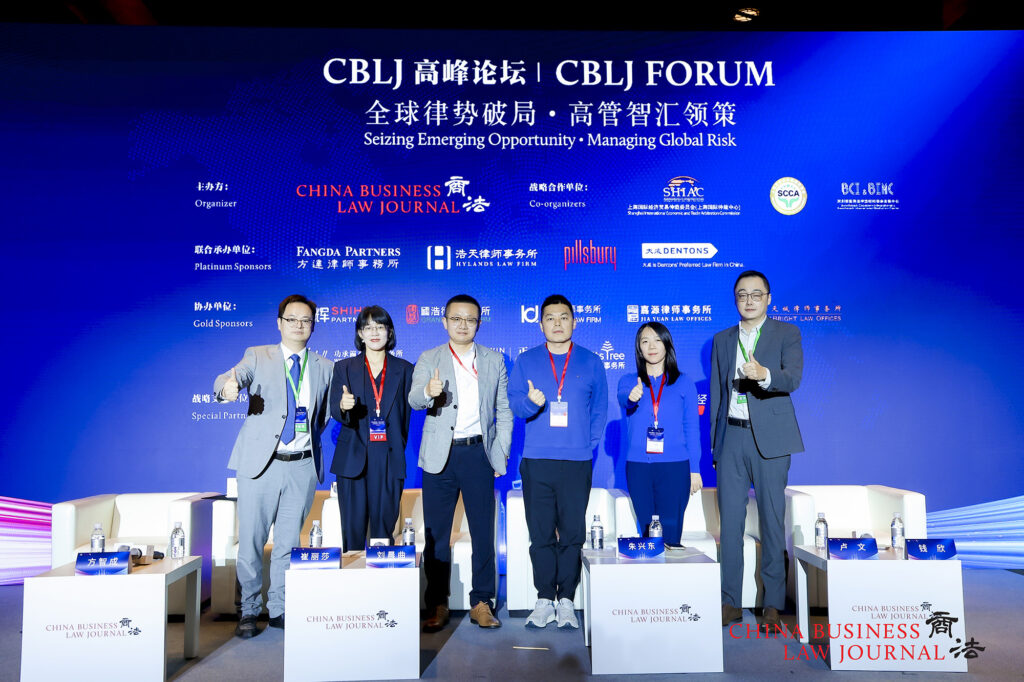
Fang Zhicheng, senior partner, head of the disposal of non-performing assets centre
Qian Xin, senior partner, head of financial dispute resolution department, head of the risk control committee
Institution/Enterprise panellists:
Cui Lisha, head of legal and compliance department, Glodon
Liu Chenqu, chief compliance officer, Guotai Yuanxin Asset Management
Candy Lu, general counsel, Porsche Financial Services (China)
Zhu Xingdong, head of litigation in the legal and compliance department, WeBank
HOW TO DEAL with non-performing assets has long been a major challenge that companies must tackle.

Qian Xin
On this issue, Qian Xin shared his experience in resolving difficulties in enforcement, the obstacles encountered in handling non-performing debts, and the approaches adopted in the past two years when confronted with such challenges. He suggests that new responsible parties be brought in to increase the likelihood of enforcement and to use mediation institutions’ services.

Zhu Xingdong
Zhu Xingdong spoke about the business practices at WeBank on dealing with non-performing loans. These include the challenges in settling cases involving the disposal of micro and small non-performing assets in local courts, as well as using a new notorisation and enforcement model, which allows debtors to first receive interest reductions, and obtain instalments to resolve their debts.

Candy Lu
Candy Lu spoke about collecting and recovering assets, using her experience at Porsche Financial Services as an example. She says risk prevention is far more important than risk response, and encouraged in-house counsel to be involved in advance. They should participate in formulating the procedure of various stages, from asset management to credit assessment.

Liu Chenqu
Liu Chenqu talked about resolving difficulties in the asset management sector. He says the industry is currently facing the dilemma of “winning the judgment but losing at the enforcement stage”. To tackle this issue, he suggested that asset managers could approach asset disposal from an investment banking perspective.

Cui Lisha
Cui Lisha shared her experience in resolving enforcement difficulties in the construction sector. She says achieving a resolution through a non-contentious approach is effective, and communicating and negotiating with key stakeholders should be the first step before deciding to pursue litigation.
As for the contentious approach, she suggests pursuing litigation in multiple places to increase the likelihood of successful enforcement.
Photos

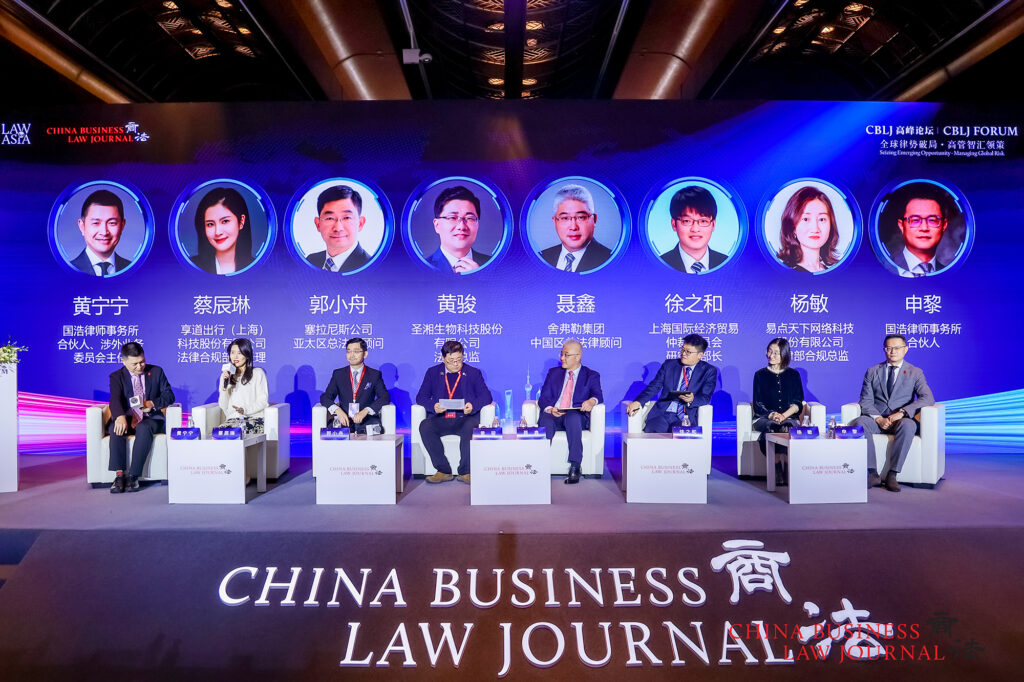
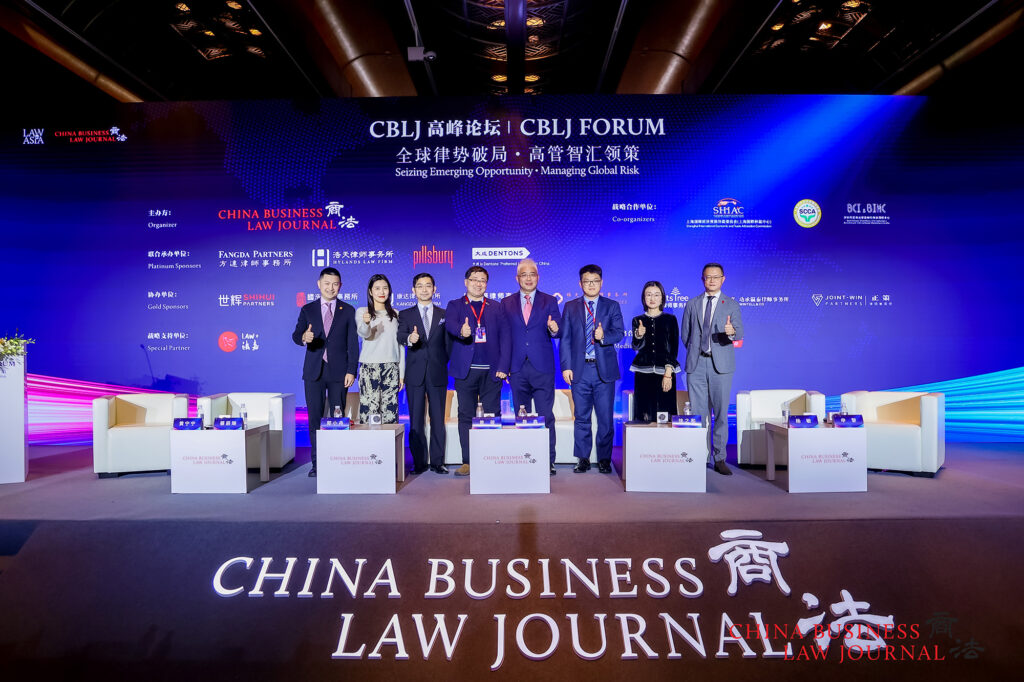
Afternoon session | Workshop 2
Frontiers in Chinese arbitration practice

Grandall Law Firm panellist:
Huang Ningning, partner, director of the foreign affairs committee
Shen Li, partner
Institution/Enterprise panellists:
Cai Chenlin, general counsel, EnjoyGo Technology
Guo Xiaozhou, general counsel, Asia-Pacific, Celanese
Huang Jun, legal director, Sansure Biotech
Richard Nie, general counsel, Schaeffler Group China
Xu Zhihe, director of research department, Shanghai International Arbitration Center
Ivy Yang, legal & compliance director, Easy Click Worldwide Network Technology
FROM RECENT DEVELOPMENTS in arbitration practice, several experts observe and reveal structural changes in both the types of cases emerging and the evolution of arbitration mechanisms.

Cai Chenlin
Cai Chenlin highlights two striking trends shaping current arbitration activity. The first is a sharp increase in investment and financing disputes; the second is the rise of novel cases involving frontier technologies such as big data, algorithms and autonomous driving, giving rise to complex issues of liability and evidence. Arbitration proceedings are also undergoing digital transformation. The SHIAC’s Smart Arbitration platform, for instance, now supports online case management and AI-assisted drafting. “As cases become more intricate and multifaceted, technological tools will play an ever more pivotal role. We should confront and adapt to this trend as soon as possible,” she says.

Guo Xiaozhou
Guo Xiaozhou focuses on the promulgation of the new Arbitration Law, particularly article 45, which for the first time enshrines an arbitrator’s duty of disclosure in law. It requires arbitrators to disclose in writing any circumstances that might reasonably cause the parties to doubt their impartiality or independence. In practice, however, Guo sees difficulties in defining what constitutes a “reasonable doubt” and the appropriate scope of disclosure. He further suggests that future judicial interpretations should clarify the boundary between disclosure and recusal. “When a party abuses its procedural rights, it undermines not only the authority of the arbitrator and the integrity of the institution, but also the fairness and efficiency of the arbitral process,” he says.

Huang Jun
Huang Jun believes the revised Arbitration Law has provided workable solutions to longstanding challenges such as private equity buyback arrangements. The latest judicial interpretations draw clearer distinctions between conditional, optional and time-limited buybacks, and refine procedural rules accordingly. Yet, he adds, fundamental questions such as the legal nature of the buyback rights remain unsettled, leaving meaningful room for further clarification through future cases.

Richard Nie
Richard Nie approaches the issue of arbitration quality and efficiency through three lenses: rules, trust and innovation. He emphasises that “trust is the cornerstone of arbitral quality and efficiency”. Details such as the composition of the tribunal, he observes, influence not only the conduct of proceedings but also the recognition and enforcement of awards. He encourages tribunals to make full use of tools such as issue lists and prehearing conferences to raise both rigour and efficiency, achieving high-quality, cost-effective arbitration, while respecting the parties’ autonomy.

Xu Zhihe
Xu Zhihe elaborates on the institutional value of arbitral bodies in commercial dispute resolution. As a central pillar of China’s arbitration regime, institutions bear the crucial mission of delivering efficient, impartial, professional and convenient dispute resolution. They play an indispensable role in ensuring procedural stability, supporting effective case administration and providing the necessary technological and service infrastructure to the process.

Ivy Yang
Speaking from a corporate risk-management perspective, Ivy Yang describes her company’s approach to commercial disputes. “Our guiding principle is not to treat a case as mere litigation, but to view it as a risk-management project,” she says. Yang underscores the importance of preventive measures, such as conducting background checks on potential partners and leveraging agencies like Sinosure to assess the creditworthiness of overseas clients, managing risks from the outset rather than reacting afterwards.

Shen Li
On the broader question of AI’s role in arbitration, Shen Li reflects on the profound transformation technology is bringing to arbitral work. “Having served as an arbitrator for 11 years, I have deeply felt the impact of online arbitration on the way we work and think,” he says. Although online arbitration now covers the entire process and has significantly improved efficiency, it still faces challenges concerning verification of original documents and enforcement of awards abroad. Shen believes that the integration of intelligent systems and AI will ultimately drive deeper and more fundamental changes across the arbitral landscape.
Photos
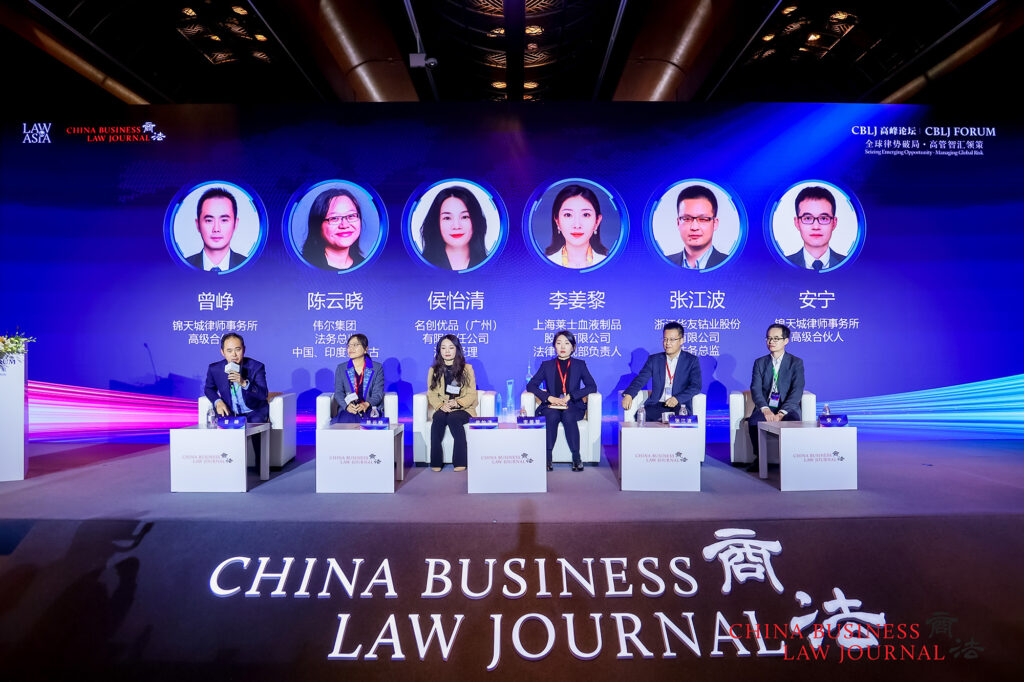
Navigating the M&A minefield

AllBright Law Offices panellists:
An Ning, senior partner
Ekin Zeng, senior partner
Institution/Enterprise panellists:
Jasmine Chen, legal director (China, India, Mongolia), Weir Group
Molly Hou, legal manager, Miniso (Guangzhou)
Lilian Li, head of legal and compliance, Shanghai RAAS Blood Products
Zhang Jiangbo, legal director, Huayou Cobalt
IN TODAY’S COMPLEX business environment, M&As face layers of uncertainty, making risk control the deciding factor in whether a deal succeeds or fails. Experts outline systematic strategies that span the entire life cycle of an M&A transaction.

Lilian Li
Lilian Li believes that any assessment of an acquisition’s feasibility should start from two guiding principles: practicality and security. She stresses the need for a systematic approach to risk mapping, beginning with a clear understanding of the seller’s intentions and background. Equal attention, she says, should be given to the integrity and market reputation of the ultimate controller. Companies must also identify any special procedural requirements for particular entities and engage professional external due diligence advisers. Internally, a well-defined investment decision-making framework helps ensure that M&A projects advance efficiently, while keeping risks firmly under control.

Molly Hou
From the perspective of outbound acquisitions, Molly Hou emphasises that effective risk control starts with transaction structure and contractual design. The framework, she says, should take into account the target country’s approval requirements, tax policies and legal protections. In terms of contracting arrangements, buyers can set up a local limited liability company as the acquisition vehicle, creating physical separation and shielding existing businesses and shareholders from potential litigation or tax exposure.

Zhang Jiangbo
Zhang Jiangbo highlights the evolution of the legal department’s role in corporate acquisitions. In cross-border joint-venture projects, especially in the fast-growing new energy and lithium battery sectors, lawyers are shifting from passive support to active leadership. Inhouse counsel are now deeply involved from confidentiality agreements through to closing, managing legal risks while also engaging closely with business strategy to serve as a key nexus for project execution.

Jasmine Chen
Jasmine Chen echoes this view, adding that “completion of a deal marks only the beginning of long-term integration; in-house counsel must remain vigilant to post-merger risks”. After closing, she advises, companies should promptly review key contracts of the acquired entity to identify any abnormal or high-risk arrangements entered into before the sale, especially those designed to inflate valuation, and guard against potential fraud. It is equally vital to form dedicated integration teams early to align management cultures and systems. During any earnout or performance guarantee period, she adds, businesses should work on internalising their core competitiveness rather than depending on the seller’s short-term co-operation.

An Ning
Adding a final note of caution, An Ning addresses the risk of M&A disputes escalating into criminal cases, including allegations of contractual fraud. Drawing on real-world examples, he identifies four key areas for prevention. First, ensure the genuine intent of the transaction, especially for acquisitions based on future earnings. Second, maintain independence in valuation to prevent procedural formalism or manipulation. Third, calibrate the buyer’s degree of involvement, as excessive control could weaken its legal position later. Finally, strengthen internal personnel management to prevent individual misconduct that might compromise the company’s interests. Throughout the process, he concludes, all parties should remain alert to potential criminal exposure.
Photos
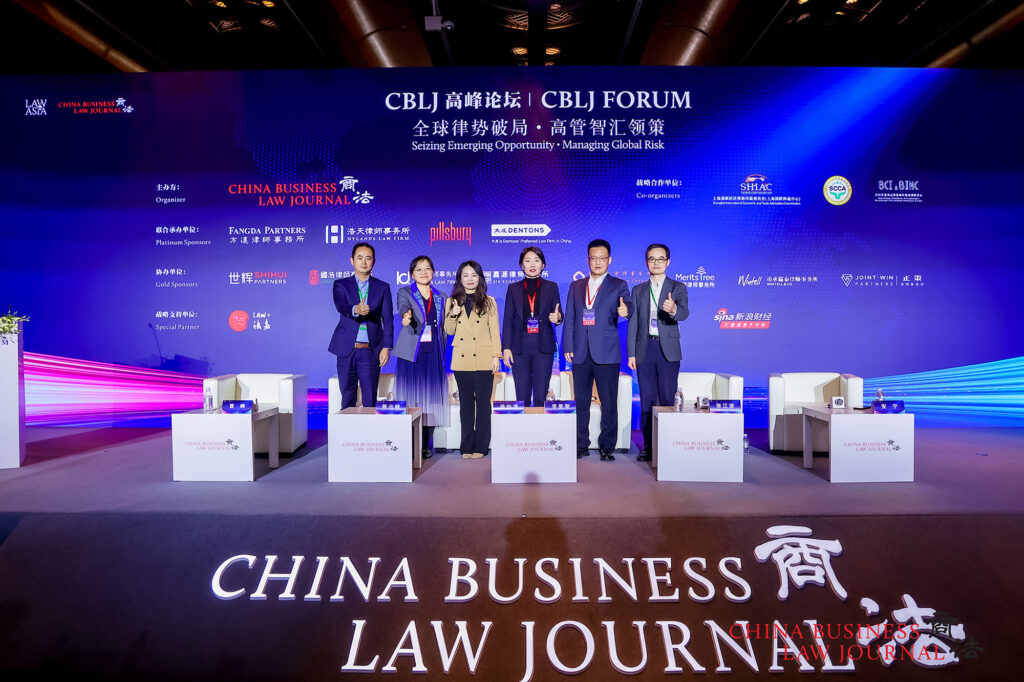
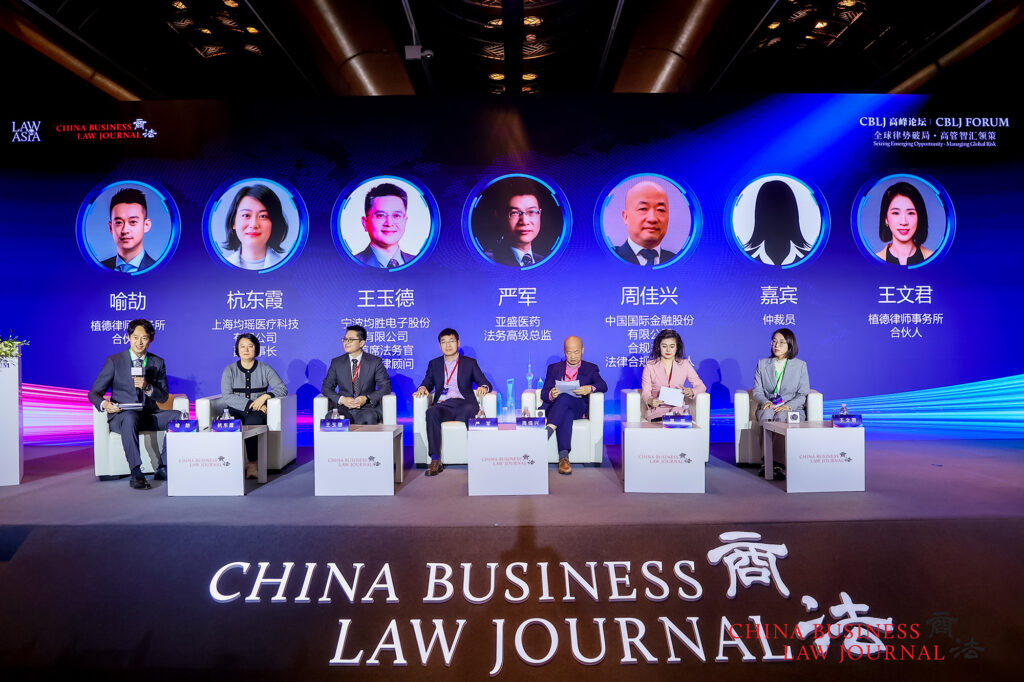
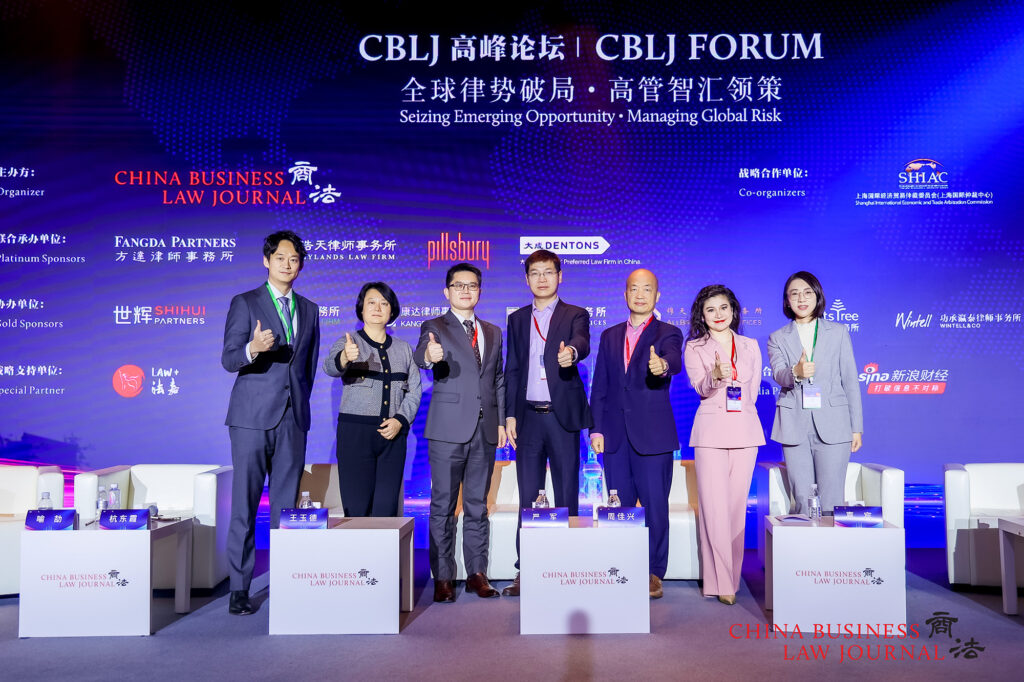
Cross-border dispute resolution and compliance challenges for Hong Kong-listed companies

Merits & Tree Law Offices panellists:
Wang Wenjun, partner
Yu Jie, partner
Institution/Enterprise panellists:
Hang Dongxia, vice chairman of the board, Juneyao Medical Technology
Gary Wang, chief legal officer and general counsel, Joyson Electronics
Yan Jun, senior legal director, Ascentage Pharma
Joe Zhou, chief compliance officer and head of legal and compliance department, China International Capital Corporation
AS CROSS-BORDER OPERATIONS become increasingly common, corporate legal structuring, compliance management and dispute resolution have emerged as critical issues for listed companies. Panellists share insights from their respective fields.

Hang Dongxia
Hang Dongxia says the complexity and diversity of disputes involving Hong Kong-listed companies stem largely from their cross-border listing structures and mixed ownership, which frequently involve state-owned, private and foreign investors. These groups often differ in their investment objectives and in their approaches to preserving and enhancing value, a divergence that easily leads to misaligned contractual arrangements and inherent tension in legal drafting. “The greatest uncertainty lies in the validity of the agreements themselves,” she says. Hang recommends that companies start from commercial substance when structuring deals: by carefully selecting governing law and dispute resolution venues, they can at least balance the interests of all parties, even if conflicts cannot be eliminated.

Gary Wang
Gary Wang adds that for dual-listed A+H share companies, compliance now faces multiple layers of pressure, from dual regulatory regimes to increasingly complex data compliance requirements, and above all, the tightening demands of ESG. He argues that companies must build dedicated global ESG teams and integrate sustainability requirements into long-term strategic planning. While this raises both costs and operational difficulty, such capabilities, he says, have become essential for firms aspiring to internationalise.

Joe Zhou
Joe Zhou highlights the differences in regulatory philosophy. Hong Kong’s capital market, he explains, is built on disclosure-based, ex-post supervision, where self-discipline and post-event accountability are paramount and market integrity carries special weight. “If your credibility falters, the market will abandon you,” he warns. This calls for listed companies to place continuous compliance at the top of their agenda.

Wang Wenjun
When risks harden into actual disputes, matters become even more complex. Wang Wenjun points out that, in securities compliance and litigation, a single violation often triggers three-dimensional liability – administrative, civil and criminal – creating a multilayered enforcement framework. She contrasts the claims systems across jurisdictions: the Chinese mainland offers more diversified mechanisms and large-scale investor actions, whereas in Hong Kong, compensation typically occurs through injunctions pursued by the Securities and Futures Commission, resulting in a concentration of major cases. Wang highlights an important development: the Beijing Financial Court has ruled that it has jurisdiction over H-share companies if their conduct harms mainland investors’ interests, applying the new Securities Law. This marks an expansion of cross-border jurisdiction. Companies must keep a close eye on regulatory trends in both jurisdictions and strengthen their compliance and crisis management capabilities.

Yan Jun
Yan Jun turns to the biopharmaceutical sector, noting the traits of business development (licensing-in/licensing-out) transactions, where the parties’ interests are tightly intertwined. “Owning the patent alone isn’t enough,” he explains, “You still need the original applicant’s access to existing clinical channels to complete the trials.” He cautions that overly stringent contracts can backfire: true risk sharing and aligned incentives are far more sustainable. Clauses that excessively favour one party may trigger passive resistance, such as minor technical breaches, from the other. He also stresses the importance of defining key terms precisely, such as the exact criteria for “Phase III success” in clinical trials, and suggests adding non-poaching provisions to non-disclosure agreements to create deterrence and protect the stability of long-term -partnerships.
Photos
Afternoon session | Workshop 3
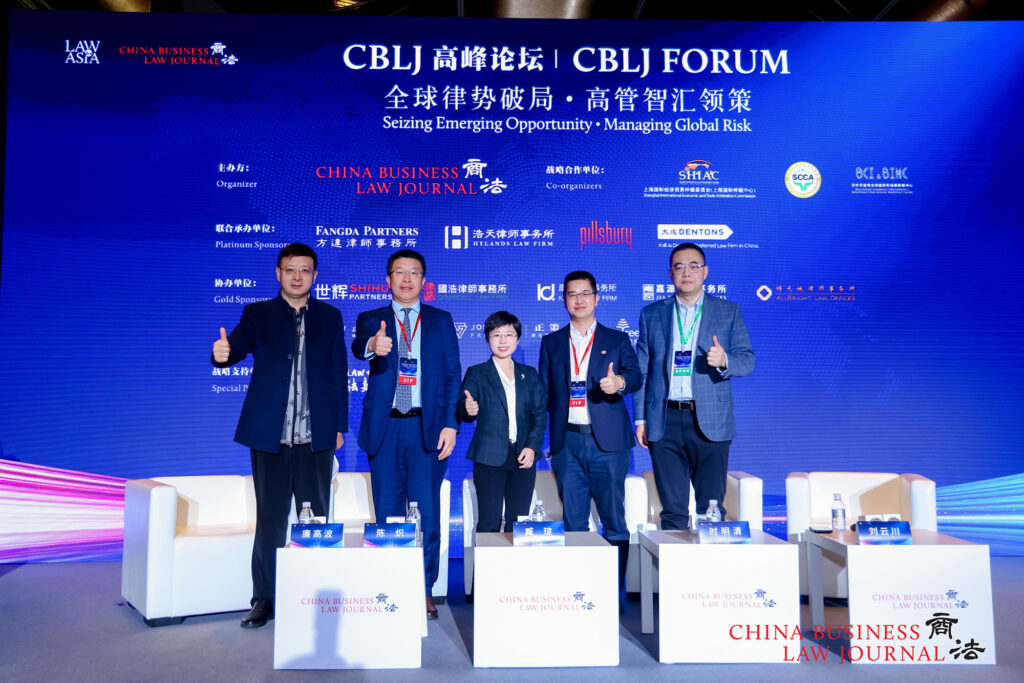
Prevention of criminalisation of debt in corporate disputes

Kangda Law Firm panellists:
Lian Gaobo, executive director of management committee
Liu Yunchuan, managing partner of Shanghai office
Institution/Enterprise panellists:
Chen Chi, partner of forensic and integrity services, EY (China)
Zang Qiong, legal director, Anjuke Group
Shi Mingqing, arbitrator, Shanghai International Arbitration Centre
AS COMMERCIAL CONFLICTS grow increasingly intricate, the risk of “using criminal proceedings to resolve debt disputes”, commonly termed the criminalisation of debt, is emerging as a prominent, high‑stakes challenge that enterprises must confront. Legal experts analyse its causes, manifestations, and response strategies from multiple perspectives.

Chen Chi
Chen Chi, speaking from a corporate-investigation perspective, says that companies involved in contractual disputes face the risk of “criminalisation of debt” — where a counterparty alleges fraud or other criminal offences during contract formation or performance in an effort to use criminal procedures to settle what is essentially a civil debt dispute. When a company suspects problems such as inflated pricing or product substitution, the priority is to establish the facts through professional investigation. Internal teams take charge of fact finding and evidence collection, while legal characterisation and litigation strategy fall to external counsel; working in tandem, the two sides can build the most effective response framework for the enterprise.

Zang Qiong
Zang Qiong outlines the passive position that enterprises can fall into once a civil‑debt issue attracts criminal scrutiny. In investment scenarios, when poor performance activates a repurchase clause, friction between investors and founders can escalate; once an audit or investigation triggers criminal inquiry, the investee’s operations may freeze, producing a lose‑lose outcome. Zang advises that companies first secure evidence of compliant operations as a preventive step, and once criminal proceedings commence, engage specialised counsel promptly to follow up on the matter. “Lawyers are able to communicate with investigative authorities on an equal footing and can therefore safeguard corporate rights more effectively,” she adds.

Shi Mingqing
Shi Mingqing highlights the dual complexity of such risks from a supply chain perspective: an enterprise can be both a target of external creditors who use criminal proceedings as leverage and a victim of self-inflicted exposure if it mishandles internal fraud investigations. He says that when swift control of assets is needed, civil asset‑preservation measures are generally more effective than criminal complaints. Shi recommends a prudent dual‑track approach, initiating civil actions first, such as for breach of contract, to secure property quickly, and then, concurrently or subsequently, pursuing necessary criminal procedures. This strategy, he says, allows firms to balance risk control with strategic initiative.

Liu Yunchuan
Liu Yunchuan observes that criminalising commercial debt has become markedly more common. Some parties deploy it tactically, capitalising on the speed and coercive force of criminal procedures to pressure adversaries or to reverse unfavourable civil positions. Although regulations formally prohibit criminal interference in economic disputes, the wording remains general, and judicial views on the civil-criminal boundary continue to diverge, leaving space for manoeuvres in practice. Liu urges companies to move from reactive defence to comprehensive prevention, establishing end‑to‑end safeguards through robust contracts and internal compliance systems, a fact‑based response mechanism, cross‑departmental emergency teams, and effective engagement of experienced external counsel.
Photos

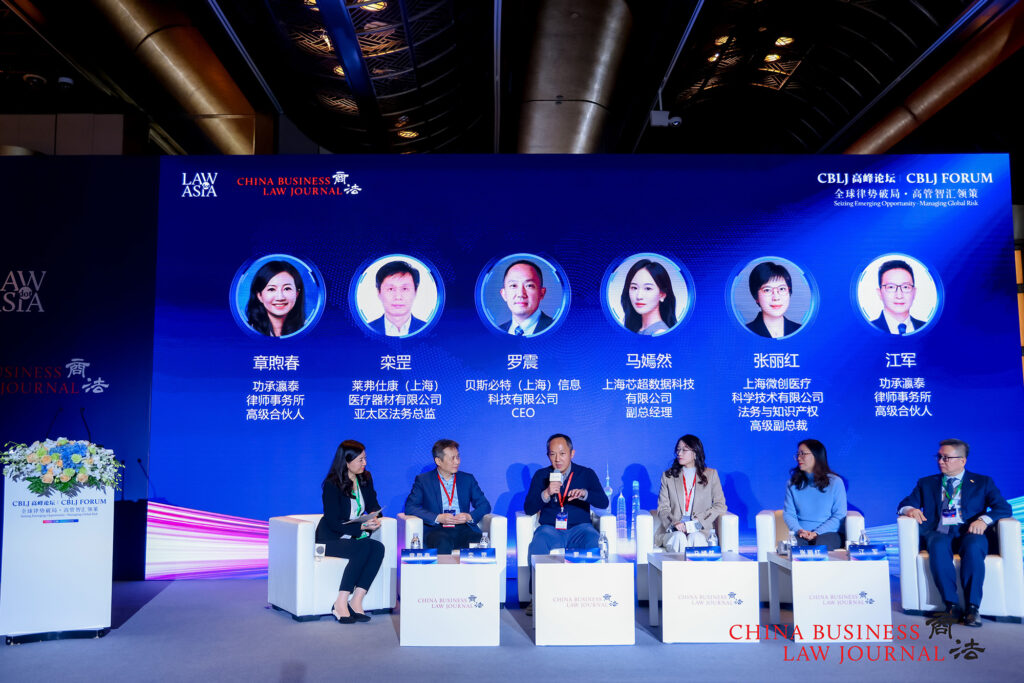
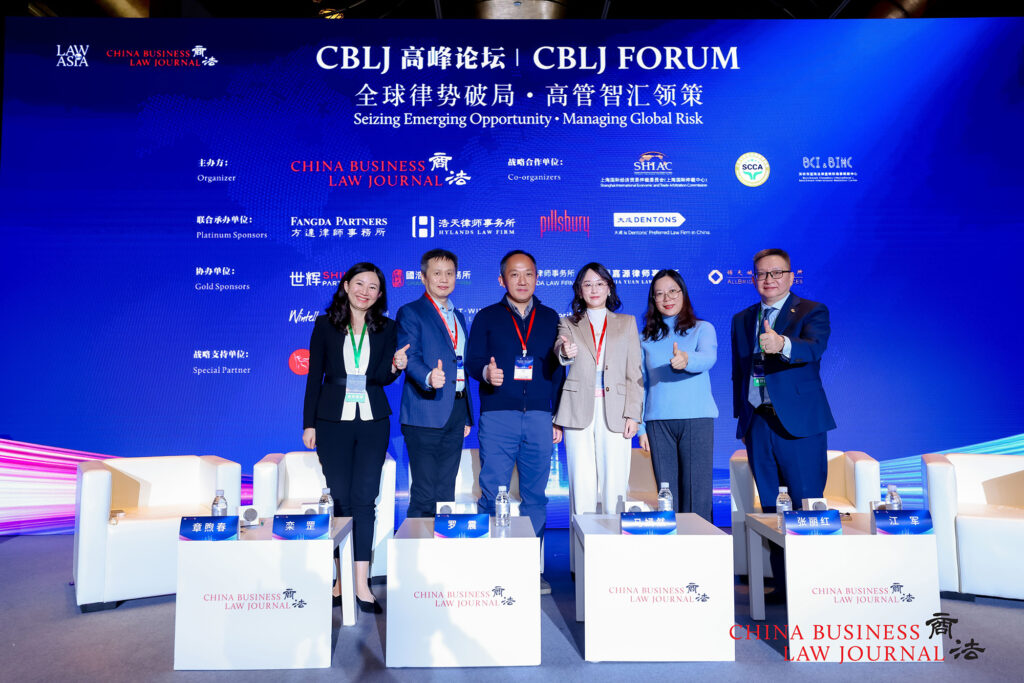
Trusted data spaces: New compliance paradigm for medical data flows

Wintell & Co panellists:
Jiang Jun, senior partner
Zhang Xuchun, senior partner
Institution/Enterprise panelists:
Luan Gang, legal director of Asia-Pacific, LifeScan (Shanghai) Medical Devices
Luo Zhen, CEO, BaseBit (Shanghai) Information Technology
Ma Yanran, vice president, Outdo Data Technology
Zhang Lihong, SVP of legal & IP department, MicroPort Scientific

Zhang Xuchun
Zhang Xuchun kicks off the session by asking how the roll-out of trustworthy data space (TDS) could address trust issues in healthcare data scenarios.

Luo Zhen
Luo Zhen’s attention centres on the two-fold meaning of a TDS concerning both the formulation of standards and their technical execution. In terms of setting national standards, “trust” is fundamentally about “unity of knowledge and action”, which guarantees that the practical operation of data exchange adheres to mutually agreed rules. Technically, paths like data encryption and privacy computing can ensure that data is usable but not visible, facilitating secure transfer. The developmental trend involves using standards to formally merge compliance mandates with technical measures. By following these standards, compliance risks can be mitigated automatically, fostering a genuinely reliable data flow environment. Luo also highlights the notion of “data trusteeship”, explaining that technology can enforce the requirement for authorised access to hosted data, enabling effective governance. This approach also serves as a lower-cost entry point for businesses into the TDS ecosystem.

Zhang Lihong
Zhang Lihong notes several obstacles to data flow within the healthcare sector. Among them are enterprises’ vague data categorisation and compliance limits, which make employees hesitant to utilise data. In her view, the TDS framework and its regulations aid in verifying the legitimate sourcing of clinical data. She also looks forward to the introduction of global standards for cross-border data transfer, which is expected to offer businesses a defined route for secure international expansion within regulatory bounds. Zhang additionally raises issues concerning profit-sharing among parties in the data circulation chain, data accessibility, and the practice of data sharing.

Luan Gang
To address the regulatory complexities multinational corporations face when transferring data across borders, Luan Gang argues that the crux is striking a balance – complying with legal mandates while optimising the utility of corporate data assets. He points out that businesses must also weigh factors such as great power competition, national security concerns and geopolitical dynamics during this process, highlighting that disease remains the paramount challenge for medical companies. Luan says: “We should make full use of the TDS to truly unite worldwide resources. This is how we can develop and deliver improved disease solutions more rapidly, for the good of humankind.”

Ma Yanran
Ma Yanran frames the challenge of medical data’s value export from a hospital’s viewpoint: “How to enable them [hospitals] to willingly and sustainably release data value for corporate use is the essential question.” She says that a TDS, through its technical design, meets the central requirements of medical organisations, including setting up accountability mechanisms and enabling compliant channels for value release. At its core, it constructs a verifiable trust consensus across multiple parties, serving as a key pillar for the secure exchange and value utilisation of medical data.

Jiang Jun
Jiang Jun concentrates on the application of data: “The core issue confronting medical institutions is whether data can be used and how it will be used in the future.” His focus includes technical reliability and qualification certification, institutional safeguards and ethical review, as well as commercial incentives and benefit distribution. A particular warning from Jiang to businesses is the necessity of securing the legality of data sources and the compliance of the algorithms used.
Photos
AI practice and empowerment in core business scenarios
Institution/Enterprise panellists:
Cao Haiyang, senior legal executive, arbitrator, legal AI expert
Norman Luo, head of legal and compliance department, AXA Tianping Property & Casualty Insurance
Zeng Ni, head of legal and compliance, Ping An Healthcare Diagnostics Centre
Ruby Zhou, founder and CEO, LAWPLUS
Kenneth Zhou, head of legal and compliance, Asia-Pacific North region, SIG Group

Norman Luo
Norman Luo kicks off the session by outlining his company’s AI applications. AXA Tianping, following group directives, has established its own AI compliance policy and completed the necessary assessments. Operationally, the focus is twofold: at the front end, an AI-driven motor insurance pricing system ensures sales are both precise and efficient; at the back end, AI anti-fraud models have long been employed to monitor claims risks.
To comply with financial data localisation regulations, the firm has also deployed a standalone, localised AI tool for internal staff. “I am naturally introverted, yet AI helped me prepare this speech, allowing me to stand here and express my thoughts like an extrovert. That is a significant achievement of AI,” Luo quips.

Zeng Ni
Zeng Ni points out that for enterprises wishing to implement AI within legal and compliance functions, the key lies in standardising business processes before empowering them with technology. Taking contract review as an example, the Ping An Haoyi legal team systematically categorised all contract types and extracted key review elements to build an intelligent review platform. In terms of litigation management, her team also utilises AI tools to analyse documents such as statements of claim, extracting critical information like points of contention and timelines.
She concludes that AI empowerment has helped the team significantly improve efficiency and reduce labour costs. Although AI makes mistakes and cannot completely replace human effort, it has saved a substantial amount of time overall. However, she emphasised that AI primarily saves effort in the 80% portion of the “80/20 rule” and cannot be truly given full autonomy. “AI can bring me a great deal of optimisation and empowerment, so I have always felt that it is not a rival, but an assistant,” she says.

Kenneth Zhou
At the mention of AI errors, the topic naturally turns to hallucinations, a major industry challenge. Kenneth Zhou believes that strict controls need to be in place during the data input and output processes because the higher the quality of data provided to the AI, the higher the value of the content it produces. Additionally, he suggests establishing a human verification step at the company policy level, to not only review the AI-generated content itself but also check whether its data sources are authentic and reliable.
On the ethical issues behind AI, Kenneth Zhou emphasises that AI tools need to possess transparency and explainability. He suggests that enterprises establish an ethics committee, particularly in highly regulated industries such as finance and healthcare, as well as creating a whistleblowing mechanism accessible both internally and externally. He also predicts the emergence of a new profession in the future: the “ethics auditor”.

Cao Haiyang
Cao Haiyang also believes that AI hallucinations are essentially a matter of data reliability. “Current AI systems are all large language models,” he explains, “their operating mechanism involves inferring what the next segment of text expresses based on previously acquired data and documents.”
He says hallucinations ultimately require professional, vertically specialised training to be corrected, noting that leading tech enterprises such as OpenAI are already making efforts in this regard. However, he also offers a line of defence for AI, posing a philosophical question: AI has hallucinations, but do humans not have them too?

Ruby Zhou
Ruby Zhou, meanwhile, emphasises that the widespread application of AI tools cannot replace the role of people exercising their subjective initiative. She shares an interesting phenomenon. After LAW+ provided online courses on AI to staff at all levels of a company, she initially assumed that the course would be used primarily by the younger cohort, given that this group would be most anxious about being replaced by AI. However, the backend data revealed the exact opposite result: management led the completion rate by a massive margin.
Based on this, she proposes that the function of AI is to help everyone take the “second step” more effectively, while the more critical first step – namely, the decision to improve and break through one’s limits in the face of difficulties – still needs to be initiated by oneself.