






CBLJ FORUM BEIJING 2025
Seizing emerging opportunity, Managing global risk
In an era characterised by geopolitical turmoil and global economic realignment, how can Chinese businesses, ambitions undaunted, achieve their international visions? How can they better navigate multiple jurisdictions with their complex and increasingly irreconcilable compliance standards? And what should they do to balance the intensive regulatory requirements with the innate need for business growth?
These puzzles, emblematic of the struggles of these times, are unlikely to be solved in a few isolated board meetings or training sessions. They require the gathering of intellectual minds across regions and industries to educate, inspire and engage with one another. Recently, China Business Law Journal set up a venue for this very purpose.

Kelley Fong
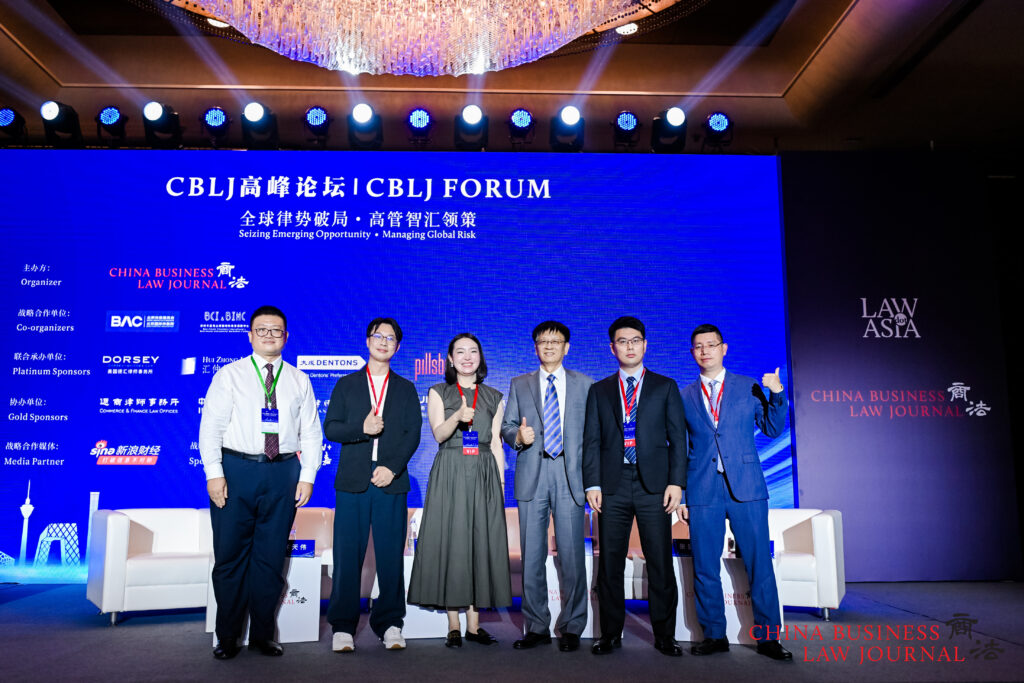
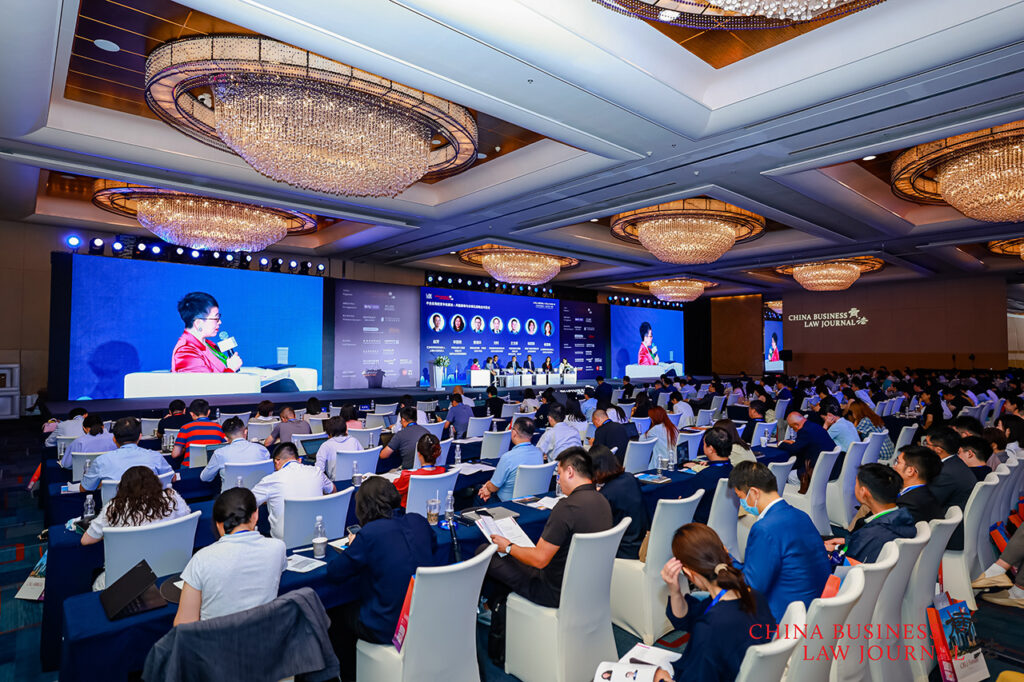
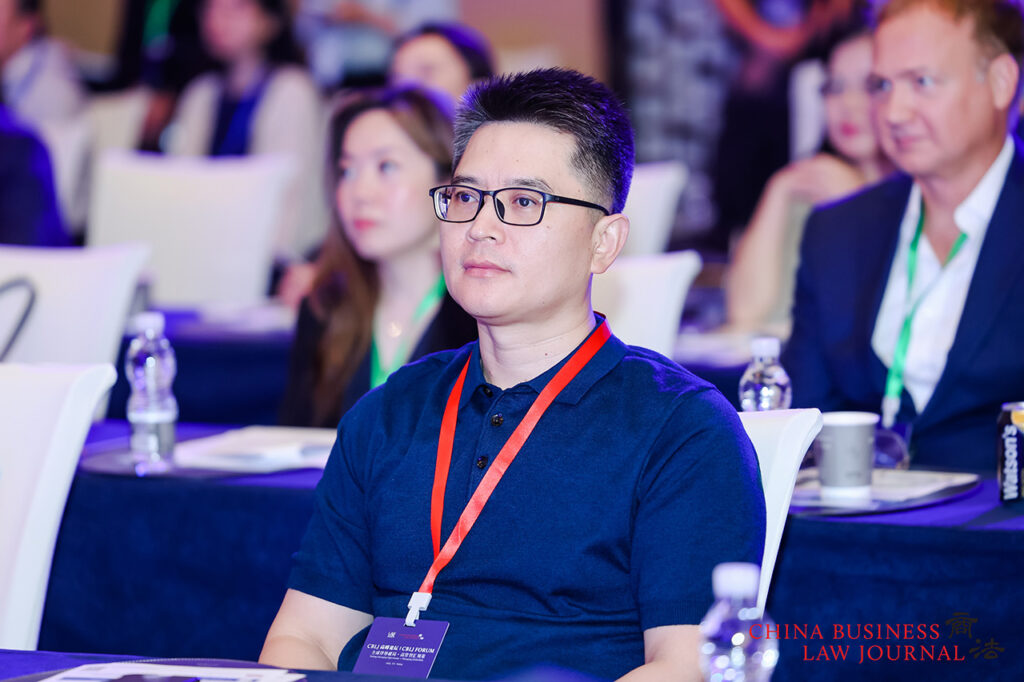
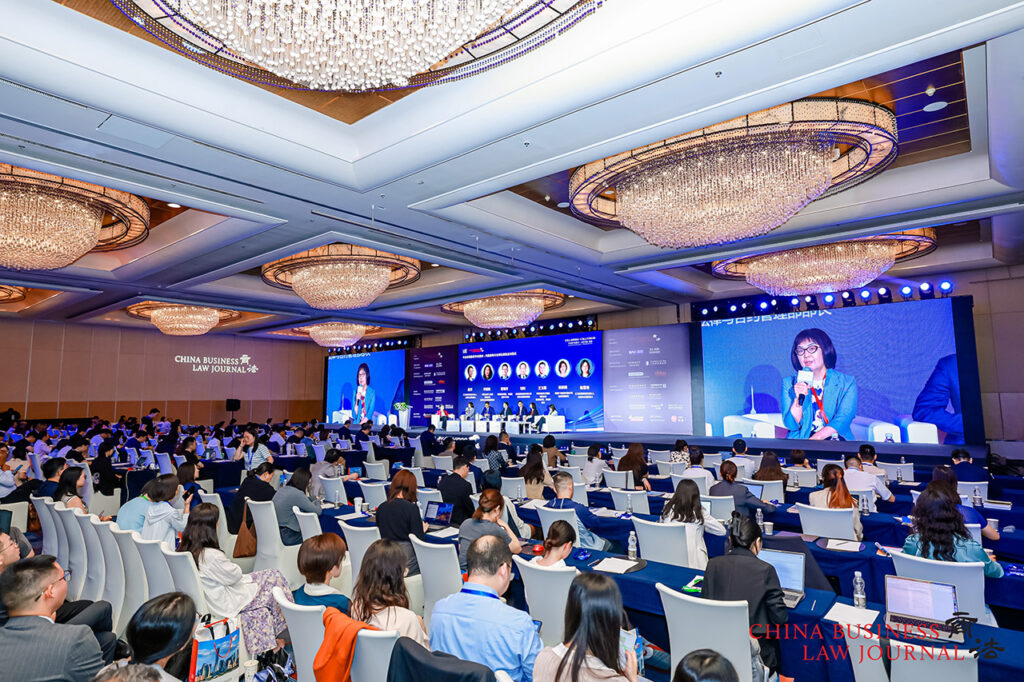
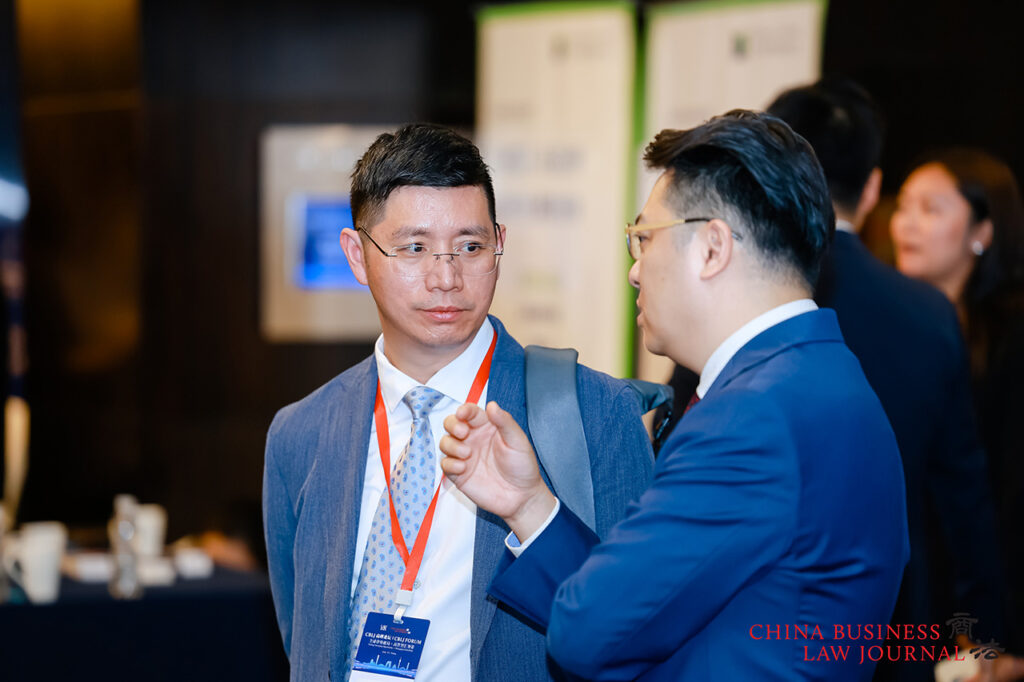
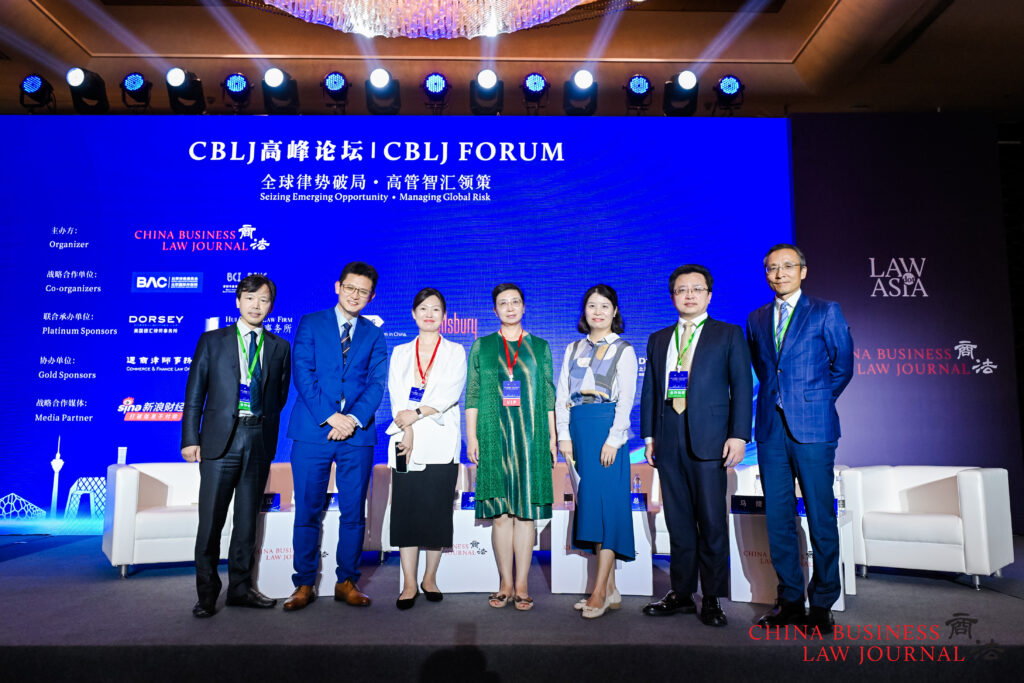
On 25 July, CBLJ hosted a forum with the theme of “Seizing emerging opportunity, managing global risk” at JW Marriott Hotel Beijing. The event attracted more than 500 senior executives, in-house counsel and legal professionals across more than 300 companies to the unusually humid capital, as well as 260,000 spectators tuning in to the live broadcast.
The full-day event boasted 13 panel sessions addressing 13 topics of great concern to businesses, respectively, which saw more than 80 legal experts and industry leaders taking the stage to share their personal observations, insights and practical advice.
As the curtain fell on the last session, guests were invited to a closed-door banquet that served not only food and drinks, but also certificates for the winners of CBLJ’s In-house Counsel Awards 2025.

Jane Xiao
The sessions were prefaced by an opening speech from Jane Xiao, the founder and executive president of Benchmark Chambers International and the Benchmark International Mediation Centre.
Based on the organisation’s survey of hundreds of outbound businesses, Xiao summarises their key challenges as drastic legal and policy shifts, inadequate early warning capacity, inadequate overseas talent and network resources, unfamiliarity with overseas dispute resolution procedures, and higher costs that come with cross-border dispute resolution.
“Going global is sophisticated work that requires a full ecosystem working together, which includes the enterprises, service providers, policymakers and regulators,” says Xiao. “As service providers, we make use of every resource available to help businesses understand domestic and international rules, locate the opportunities in policies, improve compliance management and rationally deal with disputes.”

Jiang Lili
Bookending the sessions were closing remarks delivered by Jiang Lili, a committee member and secretary general of the Beijing Arbitration Commission (BAC), who looked back on how the BAC and CBLJ have worked together to promote arbitration in China for more than 15 years. Mentioning Beijing’s grand plan to build the city into an international arbitration hub, Jiang says that such a hub is already taking shape.
“The BAC has always looked at Hong Kong as a critical connection point with the world,” says Jiang. “We look forward, with Hong Kong as a springboard, to providing global dispute resolution services to the outbound Chinese companies.”
The rest of the article will be dedicated to highlights and insights from the speakers of each session. Please click HERE for more forum images and attendee comments.
The main events of the day were the panel discussions, with four sessions held in the morning, including:
- Managing outbound risks amid geopolitical shifts
moderated by Dorsey
- Outbound investment dispute resolution: A de-risking paradigm
moderated by Hui Zhong Law Firm
- Energy and natural resources compliance: From passive to proactive
moderated by Dacheng Law Offices
- Navigating export controls and economic sanctions
moderated by Pillsbury
Afternoon sessions were split into three workshops. In workshop one, the sessions were:
- Hong Kong IPOs: A practical approach
moderated by Commerce & Finance Law Offices
- Going public in the US
moderated by Han Kun Law Offices
- Finance in focus: A regulatory and judicial perspective”
moderated by Tahota Law Firm
In workshop two, the sessions were:
- Cross-border arbitration strategies and practice
moderated by BZW Law Firm
- Arbitrating equity deals: Key issues in investment and exit
moderated by Commerce & Finance Law Offices
- Asset recovery and enforcement in the US
moderated by Pillsbury
In workshop three, the sessions were:
- Politics, investigations and data compliance in outbound ventures
moderated by Tian Yuan Law Firm
- Navigating cross-border financing: AML and international sanctions
moderated by Jingtian & Gongcheng
- Trade secret protection in labour and employment management
moderated by Docvit Law Firm
FORUM HIGHLIGHT
Special Acknowledgement
Co-organizers: BAC, BCI & BIMC
Media Partners: Sina Finance|Special Partner: LAW+
Platinum Sponsors: Dorsey; Hui Zhong Law Firm; Dacheng Law Offices; Pillsbury
Sponsors: Commerce & Finance Law Offices; BZW Law Firm; Tian Yuan Law Firm; Han Kun Law Offices; Jingtian & Gongcheng; Tahota Law Firm; DOCVIT Law Firm
Morning sessions
Managing outbound risks amid geopolitical shifts

Dorsey panellist:
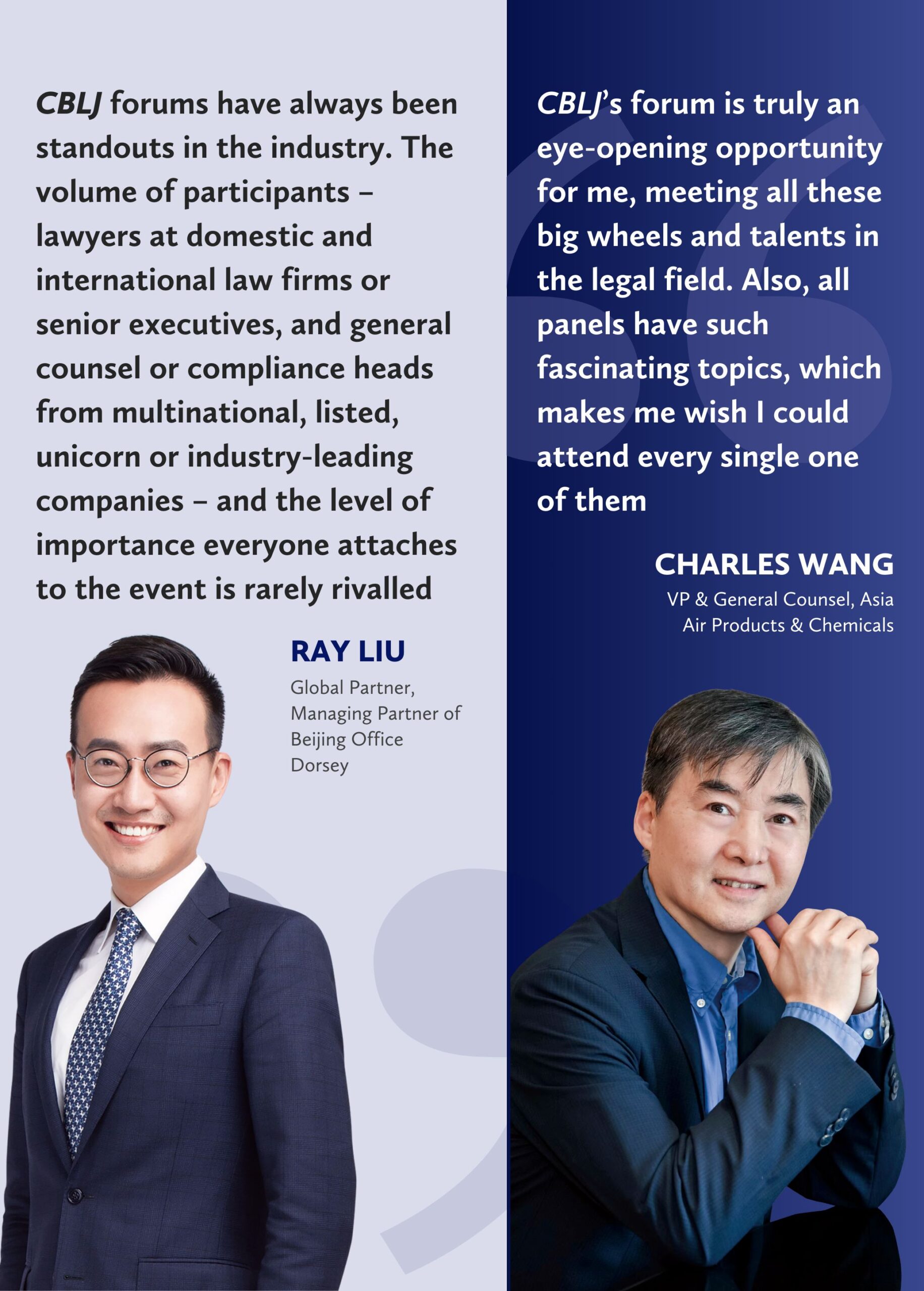
Ray Liu, global partner, founding partner, managing partner and
chief representative of Beijing office
Institution/Enterprise panellists:
Gao Huandong, vice president & general counsel (China), Lenovo Group
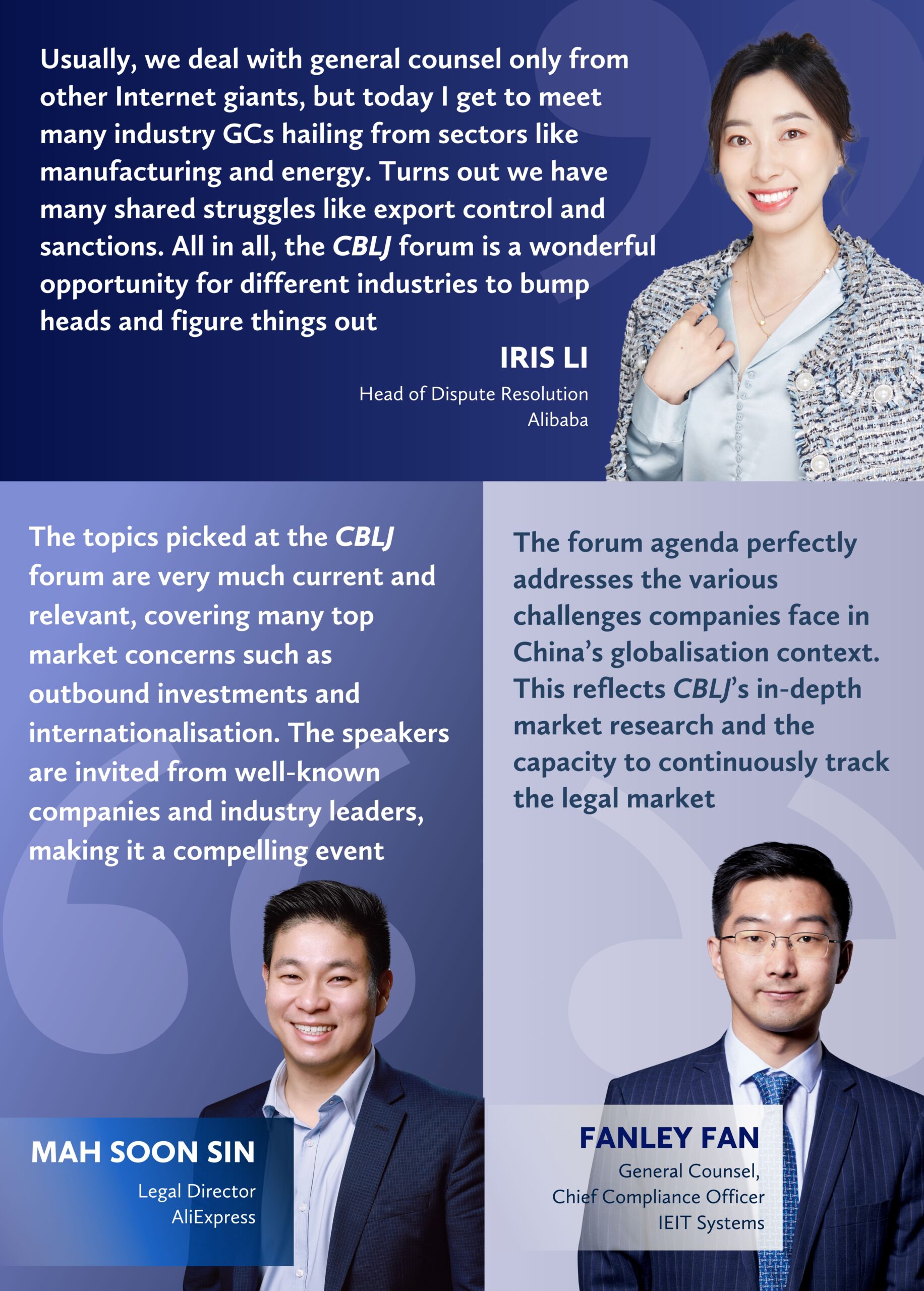
Iris Li, head of dispute resolution, Alibaba
David Lin, senior director of legal and compliance module, Desay SV
Liu Tong, professor at School of Law & director of the International Commercial Law Research Centre, University of International Business and Economics
Lu Bin, general counsel & chief compliance officer, Inspur Digital Enterprise Technology
Jane Xiao, founder and director of the strategic development committee, Benchmark Chambers International & Benchmark International Mediation Centre

Gao Huandong
GAO HUANDONG ADVOCATES the concept of “broad compliance” over a narrower interpretation. He explains that Lenovo’s compliance work prioritises trade compliance and export controls. In the AI era, the focus is on leveraging the most advanced technologies and large model methods to handle and control potential compliance risks. “Effective compliance not only helps us manage risks but often brings competitive business opportunities to enterprises,” he says.
Gao’s remarks set the tone for the entire discussion. As a representative of Lenovo, one of China’s earliest tech companies to successfully implement a globalisation strategy, he pointed out: “Compliance is a mandatory task for Chinese enterprises going global, but doing it well not only help manage the risks, but it often creates competitive business opportunities as well.” He particularly mentioned that compliance priorities differ drastically across companies – for Walmart, it is food safety; while for Lenovo, it is trade controls. With the explosive growth of AI, legal leaders are facing challenges of matching compliance requirements with business processes. He shared that “anxiety” is now a common sentiment among legal professionals, yet “human judgment and decision-making still cannot be replaced.”

Iris Li
This matches what Iris Li has seen in Alibaba’s practice. As a pioneer in cross-border e-commerce and cloud services for global expansion, Alibaba has extensive experience in intellectual property risk prevention. “Dispute resolution is already the final stage of risk management,” she says. “We trace back from cases to help business teams establish prevention mechanisms at the very beginning.” Against the increasingly stringent digital regulations around the globe, she proposed that platforms and merchants need to form a compliance community to jointly address challenges like EU content review regulations through two key approaches: AI technology empowerment and awareness enhancement.

David Lin
On the topic of manufacturing, David Lin had enlightening insights to share. Desay has been directly impacted by geopolitical factors, for example, the US ban on China’s EV industry, and the EU’s heightened scrutiny of forced labour. Lin shared their experience countering false accusations from a UK think tank – through professional legal rebuttals, they became the first Chinese enterprise to successfully compel the think tank to withdraw its allegations. He described the current situation as “difficulty at every step, yet we march on,” with the corporate cultural ethos of “stubbornness” aptly encapsulating their approach.
Liu Tong, an arbitrator from the Beijing Arbitration Commission, offered insights from the perspective of dispute resolution and mentioned a common misconception among enterprises when claiming force majeure. “The success rate for applying force majeure in cases is less than 20%,” as most scenarios involve only increased contractual performance costs rather than absolute impossibility of fulfilment. He advised enterprises to shift their approach by proactively designing response plans for geopolitical variables during contract drafting, including explicit trigger mechanisms and negotiation procedures. Additionally, beyond force majeure provisions, he recommended enterprises consider applying the rule of changed circumstances.

Lu Bin
Lu Bin, representing the voice of SOEs, enriched the discussion from another perspective. He shared Inspur’s strategy for addressing the unique challenges faced by the high-tech industry in overseas expansion: maintaining collaboration with global technology sources while achieving localised deployment in sensitive areas such as data sovereignty. This seemingly contradictory balancing tactic precisely reflects the current dilemmas and the wisdom of Chinese tech companies in their global ventures.
Last but not least, Jane Xiao concluded the panel on a professional note. Through the trends observed in the line of legal ascertainment services, she perceived that companies are shifting from “urgent case-by-case legal consultation” to systematic compliance planning for certain areas. “Businesses are now more aware of the disparity between legal provisions and actual implementation,” she pointed out, noting that in certain emerging markets, behind the seemingly simple legal documents often lie complex soft barriers such as cultural and religious factors.
Photos
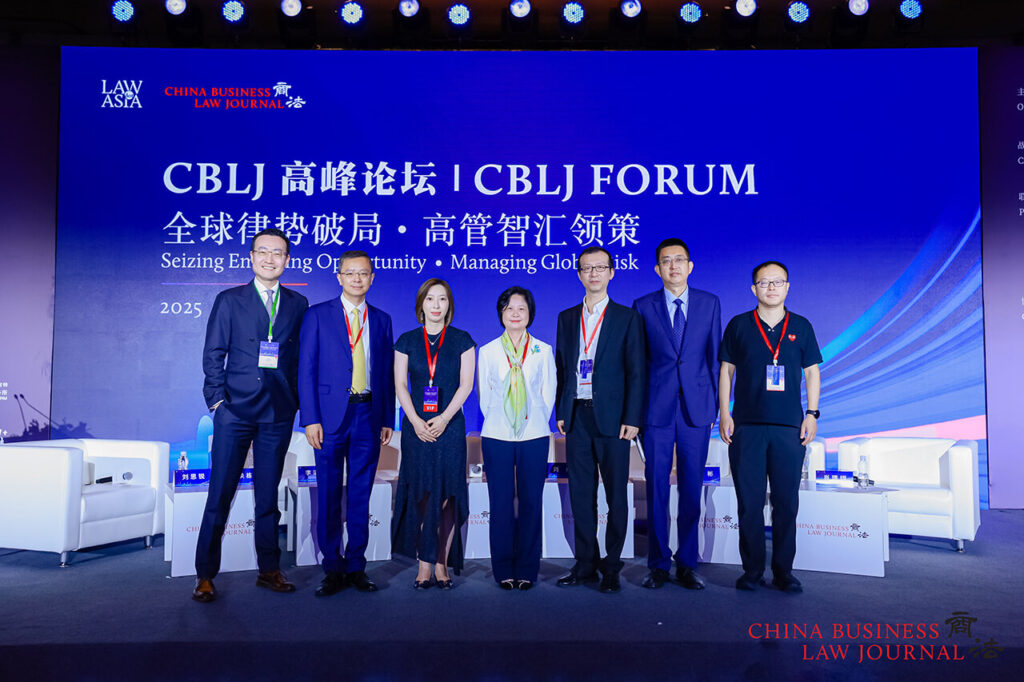


Outbound investment dispute resolution: A de-risking paradigm

Hui Zhong Law Firm panellists:
Zhao Fang, partner, head of Shanghai office
Yang Xueyu, partner, head of Beijing office
Institution/Enterprise panellists:
Bi Liyan, director of legal and contract management department, Metallurgical Corporation of China
Steven Cao, senior legal executive, arbitrator, legal AI expert
Liu Zhao, general manager of legal & compliance department, ENN Energy
Gary Wang, chief legal officer and general counsel, Joyson Electronics
Lulu Yang, deputy head of legal, Hainan Mining

Bi Liyan
OPENING THE DISCUSSION with potential new risks in overseas investment, Bi Liyan analysed five major challenges in current global expansion: restricted payment capabilities, rising investment protectionism, global supply chain disruptions, difficulties in protecting overseas interests, and heightened risk costs for SOEs. Risks, she pointed out, have become more concealed in host countries. “Taking the form equity restrictions, legal revisions and other measures, which directly impact the investments and safe exit mechanism, nationalisation and expropriation appear more legitimate than before.”
Furthermore, she summarised the trends of compliance regulation as increasingly stringent, expanding authority, constantly evolving, and broadening in scope, and reminded enterprises to pay attention to the details of arbitration clauses in dispute resolution. “Ambiguities in language and tribunal composition may end up being costly,” she said.

Liu Zhao
Focusing on risk prevention, Liu Zhao elaborates on how important due diligence and other preliminary works is through examples of investing in the Middle East. “Don’t hesitate to conduct on-site investigations if remote due diligence fails to yield clear results,” he advises, mentioning that such efforts should be collaborative across departments including legal and finance. As for contract management, he pointed out that the work is not glamorous or sophisticated but rather involves fundamental tasks, adding that “a small oversight can lead to fatal errors”.

Gary Wang
Gary Wang vividly compared M&A risks to an iceberg: “The risks beneath the surface only emerge 10 or 20 years after the acquisition.” He summarised five major challenges: numerous risks, integration difficulties, management failures, poor resilience, and lack of visibility. Citing a real-world example, he notes: “Environmental liabilities from 50 years ago are still being litigated today − such historical legacy issues are nearly impossible to guard against.” In response, he proposed three countermeasures: talent reserves, system building, and localisation mechanisms.

Steven Cao
In the post-investment management phase, Steven Cao highlights common loopholes in SPA (share purchase agreement) clause design based on case studies: “Ambiguous closing conditions, malicious manipulation of price adjustment mechanisms, and overly stringent liability allocation terms can all trigger disputes.” He advises companies to “not cross the river by feeling the stones” but instead utilise technologies like AI to achieve full lifecycle contract management. Addressing shareholder disputes related to M&A, he shares the design of Chalco Group’s mandatory dividend clause. “Leveraging this clause, Chalco reaped substantial returns at the time,” he says.

Lulu Yang
Lulu Yang elaborates in detail on practical key points for cross-border dispute resolution: “Evidence discovery is central to litigation in common law jurisdictions, requiring companies to manage evidence effectively from the outset of a case, necessitating coordination with IT departments to preserve historical data.” Regarding cost control, she points to a US arbitration case, in which a mediator facilitated both parties in jointly hiring three retired judges who provided independent third-party assessments, successfully reaching a settlement and avoiding formal proceedings. As for high legal fees, she proposes specific strategies, such as to negotiate conditional fees with law firms in phases to secure preferential rates, and to establish dedicated teams to coordinate budgets, etc.

Yang Xueyu
Yang Xueyu offers professional advice from an international arbitration perspective, stating that if expropriation occurs in a host country, claims can be pursued through bilateral investment treaty arbitration. She emphasises that companies should plan remedies in advance: “When no bilateral treaty exists, consider establishing a third-country corporate structure before investment to create flexibility for future dispute resolution.” Regarding case management, she particularly stresses factual investigation: “Without facts, everything else is castles in the air—close collaboration between in-house counsel and external lawyers is required.”
Photos
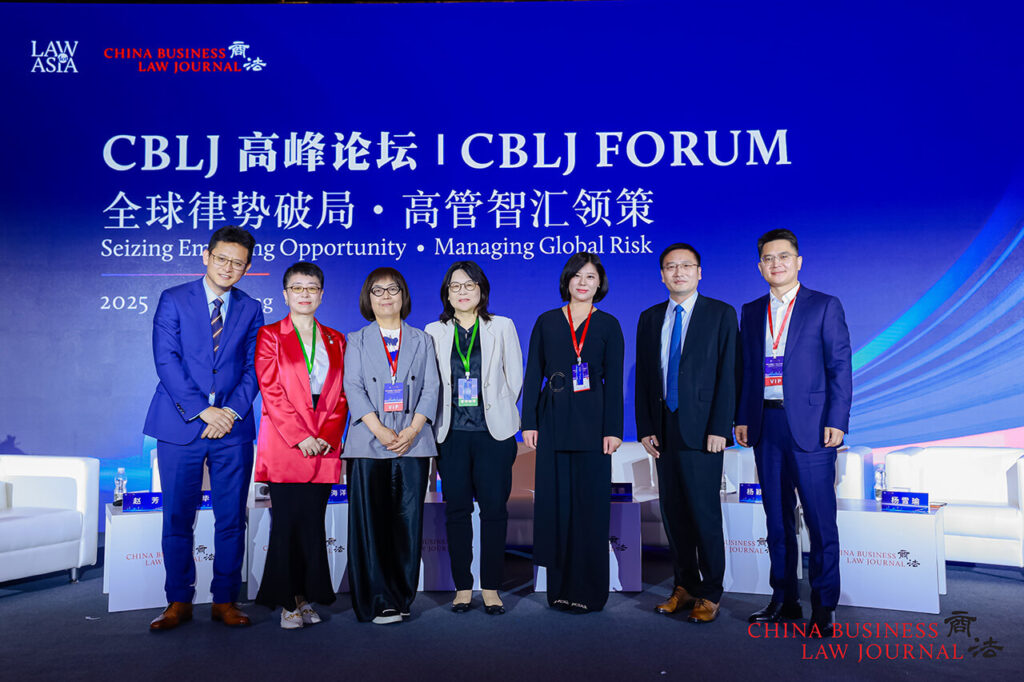
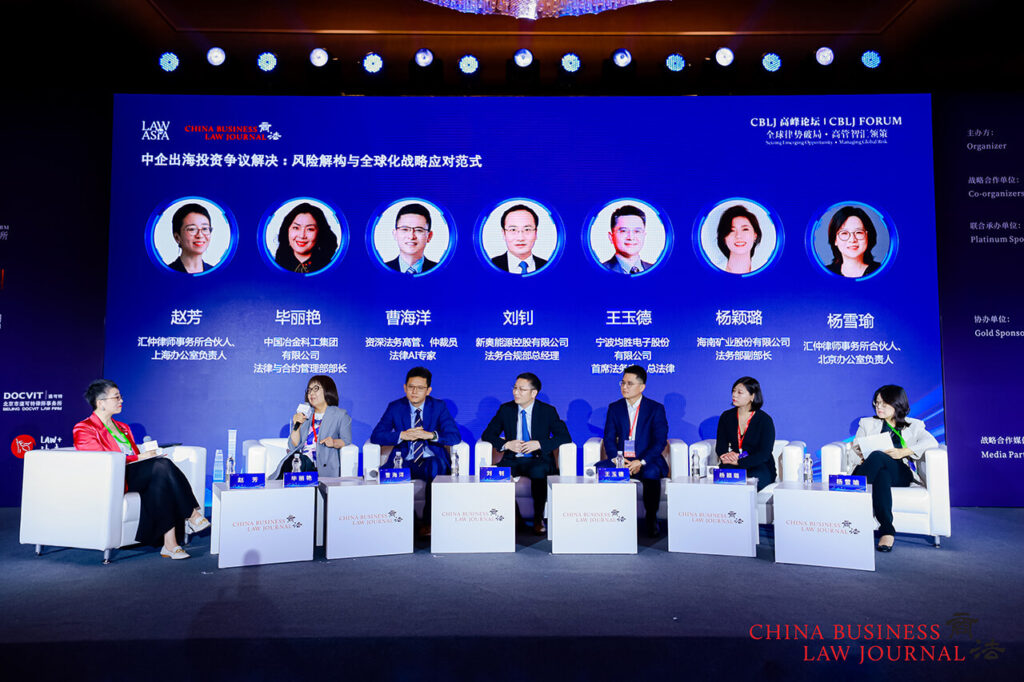
Energy and natural resources compliance: From passive to proactive

Dacheng Law Offices panellists:
Yang Guisheng, senior partner and legal counsel to the Ministry of Natural Resources
Song Yunfeng, senior partner
Institution/Enterprise panellists:
Du Jiangbo, general counsel & chief compliance officer, Sinopec
Lian Changyun, CEO, Jinyuan Environmental Protection
Charles Wang, vice president & general counsel, Asia, Air Products and Chemicals (China) Investment
Ye Pingxian, vice president & president of JCHXME, JCHX Mining Management

Du Jiangbo
DU JIANGBO KICKSTARTS the session by pointing out that traditional fossil fuels remain the foundation of future energy supply. “Over the next 20 to 30 years, coal, petroleum, natural gas, and non-fossil energy will form a four-part division of the energy landscape,” he says. In the meantime, the rapid development of new energy and geopolitical competition − especially the China-US strategic rivalry − imposes new compliance requirements on energy enterprises. He mentions that the implementation of the Energy Law would transform ESG from a voluntary corporate pursuit into a legally mandated responsibility, compelling companies to assume greater obligations in energy supply security and green transition.

Lian Changyun
Lian Changyun, on the other hand, focuses on the new landscape and countermeasures for international mining M&A. Analysing the current two key features, he says: “The overall number of M&A deals has declined, but transaction values have risen; and the shift from traditional resources to new energy resources is intensifying.” Facing such geopolitical conflicts and tightening regulations, he advises enterprises to pay attention to mining opportunities driven by artificial intelligence technologies and prioritise localisation strategies. “When localising the business, agreements should incorporate clauses covering equity co-operation and infrastructure, while keeping value chain extension in mind.”

Charles Wang
Charles Wang explores carbon footprint management practices from a multinational perspective. He shares that Air Products & Chemicals has elevated carbon compliance to a strategic level by establishing cross-departmental teams and digital systems. “We are not merely creating carbon data, but should become enablers of carbon.” Wang advises enterprises to integrate and share upstream and downstream data to collaboratively reduce emission, and to manage risks through contractual clauses.

Ye Pingxian
Ye Pingxian discusses geopolitical risks based on his own overseas investment experience. “The resurgence of resource nationalism, supply chain regionalisation, and ESG requirements lead to multiple challenges for enterprises expanding globally,” he says. Citing examples from Congo and Zambia, Ye emphasises the importance of localisation and community sharing. “There are no good or bad countries, only different stages of development.” He advises enterprises to mitigate risks through detailed due diligence, anti-corruption compliance, and localised operations, revealing that Chinese companies’ overseas resource M&A success rate has surpassed 90%, marking a transition from “paying tuition” (early stage) to “nearing graduation” (mature).

Song-Yunfeng
Song Yunfeng caps off the session by offering his own insights. He believes that against the backdrop of drastic geopolitical shifts, compliance must transcend traditional legal frameworks to anticipate policy trends. “Compliance is not solely a legal issue. It necessitates integrating international politics, religion, culture, and many other factors. News, public opinion, and political decision-making behavioural models should all be incorporated to establish dynamic response mechanisms,” he says.
Photos
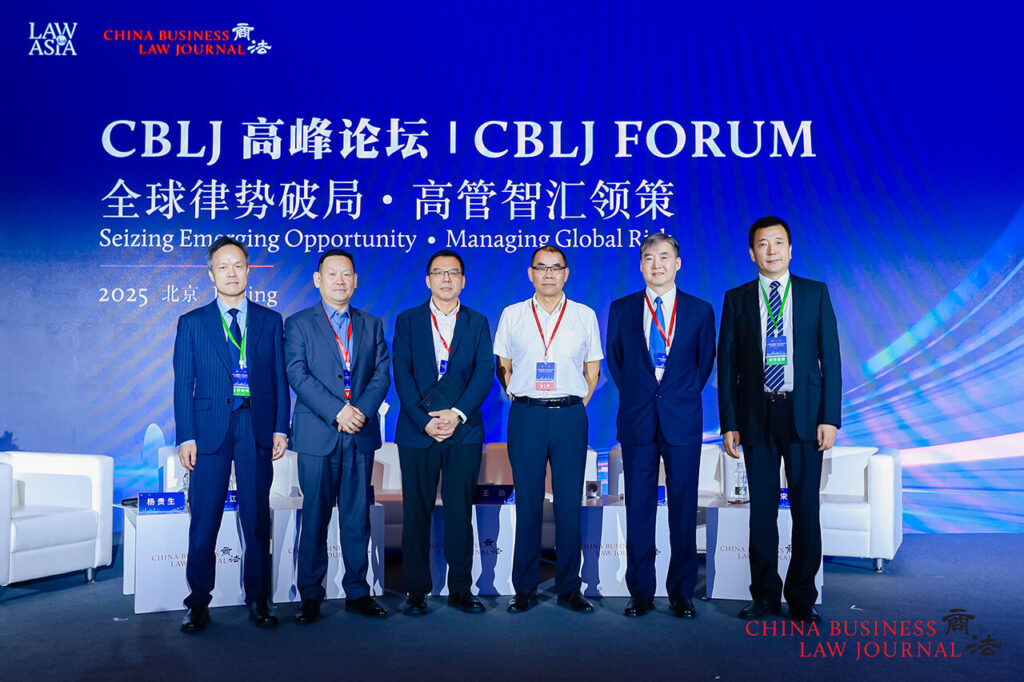

Navigating export controls and economic sanctions

Pillsbury panellists:
Jenny Sheng, managing partner of Beijing office and partner of corporate and compliance practice
Xu Chunbin, counsel at Shanghai office
Institution/Enterprise panellists:
Mah Soon Sin, legal director, AliExpress
Liu Fang, vice president, chief legal officer & chief compliance officer, Zeekr
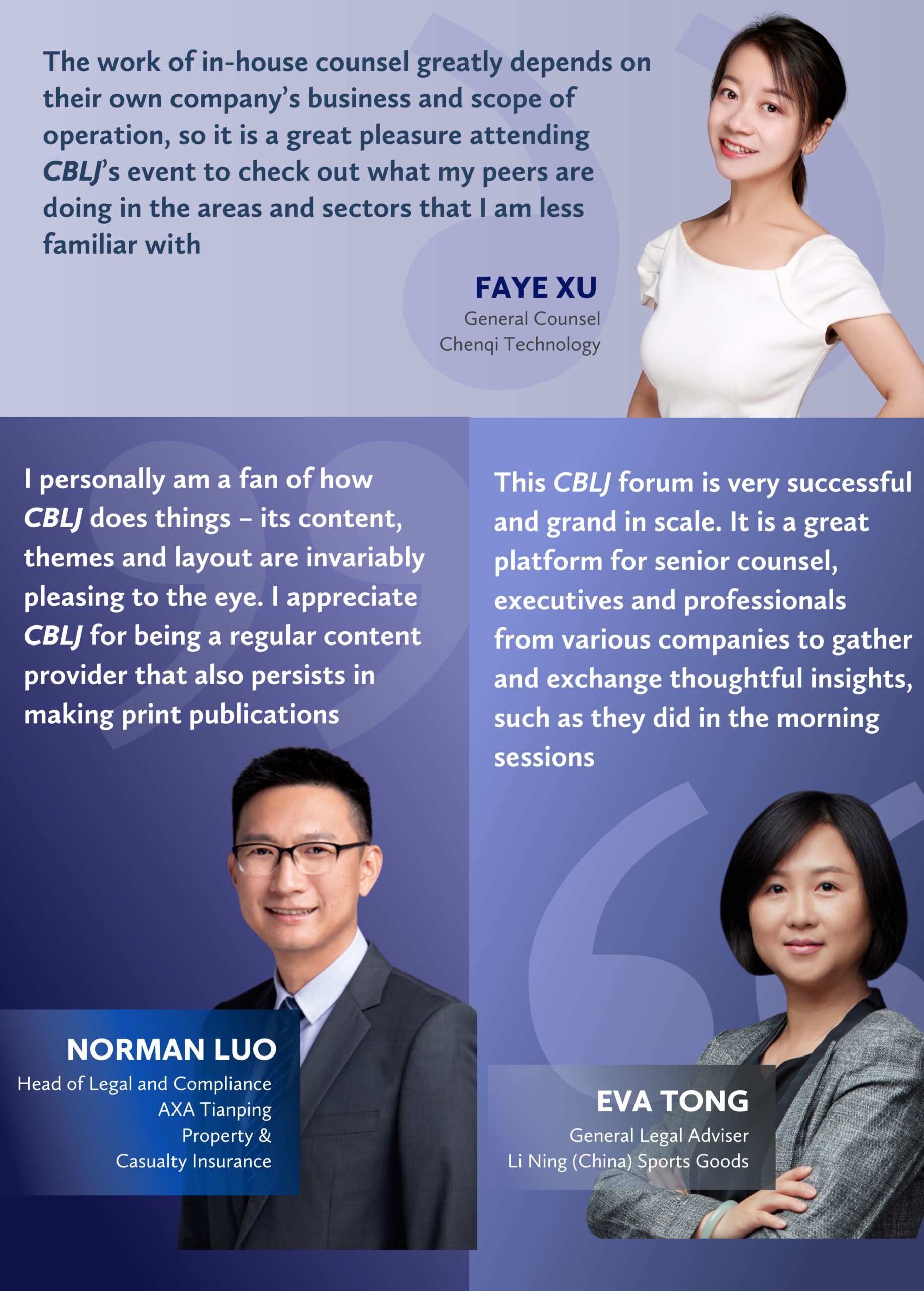
Eva Tong, general counsel, Li-Ning (China) Sports Goods
Wang Chao, legal director, XTC New Energy Materials (Xiamen)
Xie Chenyang, vice president & general counsel, Foxconn Industrial Internet

Wang Chao
WANG CHAO FIRST INTRODUCES how his company established the compliance framework. As a supplier of cathode materials for new energy batteries, XTC derives over 80% of its revenue domestically yet actively addresses export controls. Wang noted that compliance obligations are first identified by the legal team, with control measures embedded into business processes to “minimise additional burdens on business departments.” He emphasised building a compliance culture: “Instilling compliance awareness into every employee’s daily mindset remains an ongoing endeavour.”

Liu Fang
Liu Fang shares the dual challenges in vehicle export. A leading Chinese EV exporter, Zeekr faces surging US tariffs and supply chain screening hurdles. Citing the example of component supplier Camel Group being added to the US Entity List, Liu illustrates the challenges of responding to sudden risks. She mentions that two days before their test vehicles were to be shipped to the US, the supplier was abruptly added to a control list. “We had to initiate force majeure clauses and negotiate with US partners to find alternatives within two months,” she says. With multiple suppliers facing restrictions from the US, she proposes a compliance strategy “embedded across the entire business process”, proactively identifying risks by, for instance, pre-configured screening functions in procurement and HR systems, and preparing alternative supplier backups.

Eva Tong
Eva Tong focuses on supply chain compliance for textile exports. Facing the US Uyghur Forced Labour Prevention Act (UFLPA) and the EU’s proposed Forced Labour Regulation, Li-Ning established a closed-loop system spanning from supplier onboarding to ongoing audits. Tong candidly acknowledges the arduousness of traceability work: “It takes two months to consolidate documents for a single SKU garment involving 200-300 suppliers.” While calling US regulations “unreasonable,” she maintains a “zero-tolerance” attitude: “Only by proving the absence of forced labour elements − from raw materials to labour practices − can we reassure US Customs.” She emphasises systematisation, saying that “replacing manual compliance with automated systems reduces errors and labour costs”.

Mah Soon Sin
While emphasising the primacy of domestic laws from a platform perspective, Mah Soon Sin notes that China’s Export Control Law and the Catalogue of Technologies Prohibited and Restricted from Export undergo dynamic updates, requiring platforms to block noncompliant goods through technological means. “Merchants use variant terms to evade scans − we must outsmart them to prevent the sale of controlled goods in violation of Chinese law,” he states. He cautions enterprises: “When expanding overseas, focus not only on foreign laws; Chinese regulations are equally critical.”

Xie Chenyang
Xie Chenyang proposes a dual-drive strategy for global compliance: “business foresight + policy foresight”. “When leaders wrestle with policies, we compliance professionals enter our golden age,” he says, a humorous remark on the rapidity with which international policies are
updated lately.
Xie highlights achieving “comprehensive supply chain screening coverage” through self-developed systems, quantifying risk management via an RPN model categorising risks as high/medium/low, and establishing a 24-hour emergency mechanism. “Compliance is not an isolated issue exclusive to the legal department, but rather a collective feat across functions,” he concludes.

Xu Chunbin
Xu Chunbin supplements key points from the perspective of listing compliance. He cites export control and sanction risks highlighted by foreign investors in Hong Kong listings: US investment restrictions, semiconductor export controls, and secondary sanctions. Xu Chunbin cautions companies that if material regulatory breaches are uncovered during IPO due diligence, it may necessitate divestment of subsidiaries, potentially leading to postponement of the listing timeline.
Photos
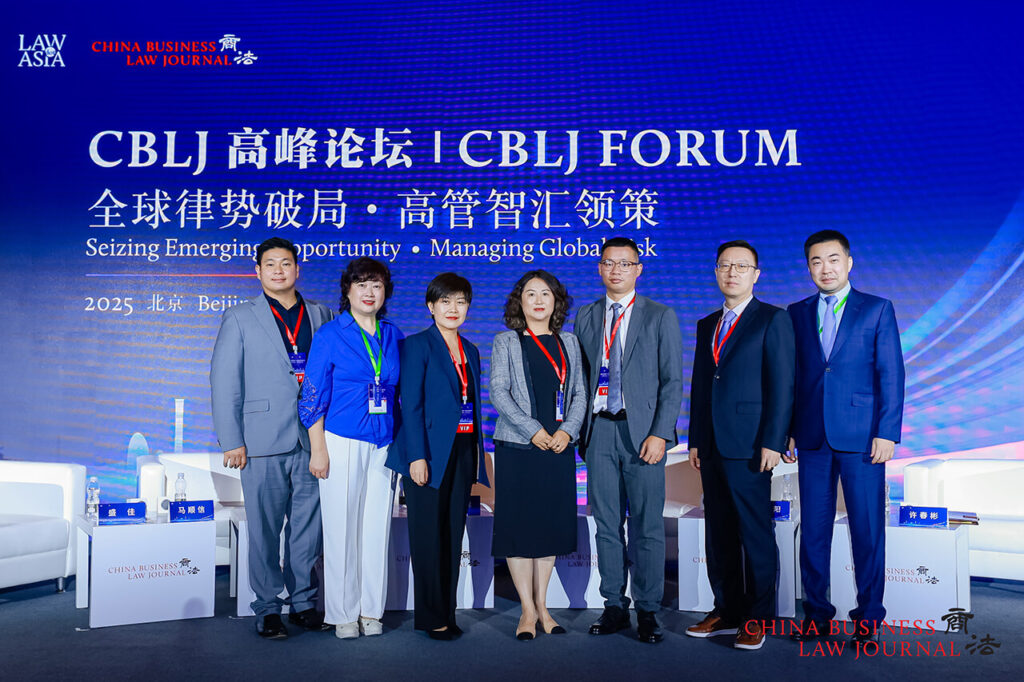

Afternoon session | Workshop 1
Hong Kong IPOs: A practical approach

Commerce & Finance Law Offices panellists:
Joanne Loi, head of compliance
Brandon Chow, partner
Institution/Enterprise panellists:
Calvin Chan, general director, CCB International
Ge Mengying, general counsel, Auto AI
Faye Xu, general counsel, Chenqi Technology
Iris Yuan, head of legal and compliance, Duality Bio
AMID VARIOUS economic challenges, the recent rebound of the Hong Kong stock market has been a welcome development. This sparked keen discussion among attendees on how to achieve a smooth listing in the region. The conversation covered the full spectrum, from pre-listing preparations to post-listing compliance, with effective communication with the HKEX identified as a top concern.

Ge Mengying
Ge Mengying highlights the HKEX’s emphasis on management continuity, including for the R&D teams at tech-heavy firms. Her company, she notes, addresses this by “conducting in-depth analysis of the duties of the management and research teams” during its own IPO process.
“We treat these records as core working papers, documenting them fully to provide strong proof of continuity and give investors confidence,” she says.

Faye Xu
Team changes are an unavoidable part of growth, and the HKEX doesn’t expect management to be frozen in time, notes Faye Xu. “In the legal memos we sent the exchange, we had to align with the prospectus while also articulating the value these individuals brought to the company,” she says.
To prove the core team was stable, she even calculated a management continuity ratio based on historical turnover. Xu also used a clear paper trail to communicate organisational adjustments to the exchange, demonstrating that the company’s evolution was transparent and fully documented.

Iris Yuan
Iris Yuan argues that the HKEX’s review is fundamentally about the facts, centring on how well a company can justify its strategic shifts while proving its core mission remains consistent. She suggests the assessment hinges on three core considerations: (1) the stability of the team; (2) the seamless handover of responsibility and skills in critical roles; and (3) the clarity of the core business strategy.
“Even with executive turnover, you can make the case that it won’t disrupt business momentum or the company’s fundamental research direction,” she says.

Calvin Chan
Turning to the critical issue of continuity of control – a major focus for both offshore listing filings and the HKEX rules – Calvin Chan frames it as a largely black-and-white matter. “You have to be extremely careful if your top two shareholders have changed in the past year, or if you’ve brought in a new one through an M&A deal or share offering,” he says. He recommends avoiding any major equity shake-ups in the final fiscal year before an IPO, warning that such moves could otherwise hold up the entire listing timeline.

Joanne Loi
Joanne Loi cautions that a successful IPO is just the beginning, with ongoing compliance being a long-term, continuous effort. She points to the typical questions that newly listed companies grapple with: what needs formal approval, when an official announcement is mandatory, and which other advisers need to be brought in.
“It is our job to analyse these situations and teach clients where the red lines are, and what they need to stay alert to,” she says.
To sum up, Brandon Chow says: “Whether it’s the ‘start from scratch’ journey of an IPO, the scaling-up phase, or later moves like secondary offerings and placements, a firm foundation is what empowers a company to clear any hurdle and pave the way for rapid, explosive growth.”
Photos
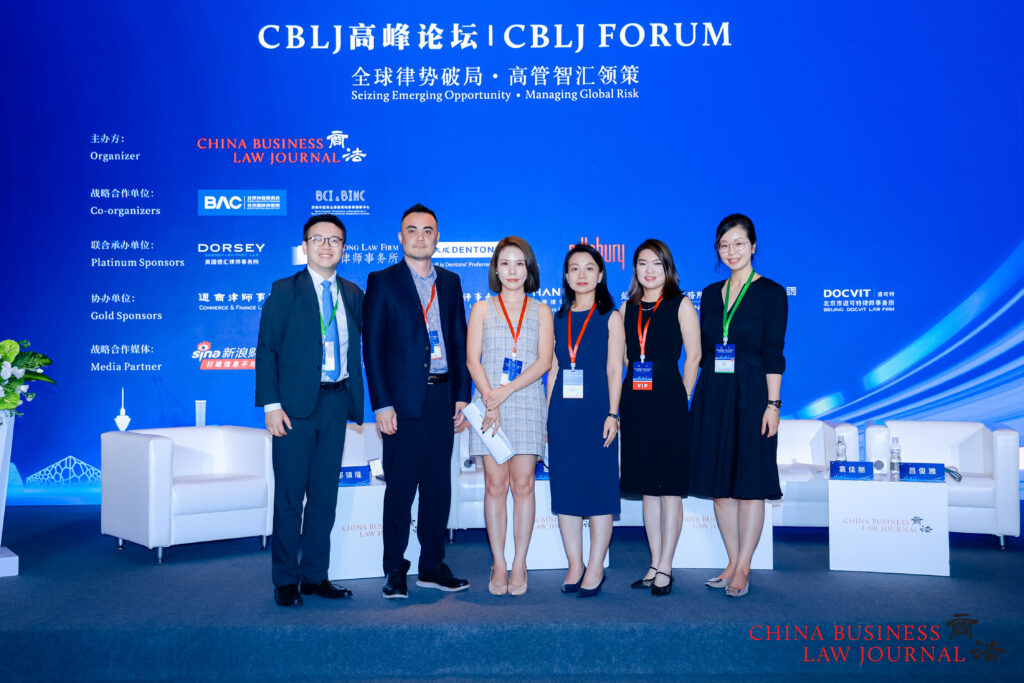


Going public in the US

Han Kun Law Offices panellists:
Lu Zaiguang, partner
Steve Lin, partner
Institution/Enterprise panellists:
Gu Haiyan, general counsel, Sina
William Han, legal director, Li Auto
Ava Wang, legal director, WeRide
Joe Zhou, chief compliance officer and head of the legal and compliance department, China International Capital Corporation (CICC)

Joe Zhou
ACCORDING TO JOE ZHOU’S observations, the first half of 2025 painted a mixed picture for Chinese stocks in the US, marked by both a rebound and a growing divide. The rush to list in the US continued unabated, with 43 Chinese firms going public there in the first half, up from just 30 in the same period last year. At the same time, however, the US-China tech rivalry has spilled over into finance, putting these companies under significant pressure from multiple fronts.
Zhou cautions that politics and international relations are what ultimately drive the legal landscape. Even if certain US policies do not immediately affect these stocks in negative ways, the government’s underlying intent is something to watch closely.
“At CICC, we are in constant dialogue with regulators in mainland China, Hong Kong and the US,” he says. “This allows us to understand and even help shape the rules, ensuring that financing channels for Chinese companies remain open.”

Lu Zaiguang
Lu Zaiguang pushes back against the “clickbait” narratives predicting doom for US listings. As he sees it, the process for Chinese companies to file for overseas listings has become a well-trodden path – a far cry from the early days of the new rules, when everyone was “feeling their way across the river”.
“From a technical perspective, we don’t see major regulatory shifts dealing a fatal blow to the capital markets, not when there are still professional intermediaries and high-quality companies,” he says.

Helen Gu
Helen Gu notes that companies are grappling with a growing web of complex regulations in different markets, driving compliance costs sky-high. On top of that, each country operates from a fundamentally different legal standpoint.
She points to AI as an example of this, with China focused on registration, Europe on ethics, and the US on innovation. This makes it much harder for global companies to stay on everyone’s right side.
“Do not panic,” she says. “Take ESG [environmental, social and governance], for example. We can look at it from a different angle – not as a regulation, but as a form of empowerment. It can elevate global compliance standards to a higher level, which I believe is a good thing.”

William Han
William Han breaks down his work into three core pillars: international compliance, business innovation, and revenue growth. He stresses that it is crucial for the legal team to make the case for its own value. Compliance has a cost, he explains, so in-house counsel have to demonstrate the value it delivers and how it helps the business.
“The key is to constantly blend these different areas, creating synergy between the units to generate a much greater impact,” he says.

Steve Lin
According to Steve Lin, the US stock market has changed more in the past three years than it did in the previous 10 or even 15 years. He has spent the past two years diving deep into the nuances of US securities law and the mechanics of the stock market. “Take the time to understand new strategies, and be wary of information gaps and the traps they can create,” he advises.

Ava Wang
When it comes to the new demands of our time on legal professionals, Ava Wang identifies two key shifts: the need for a multidisciplinary skill set – a departure from the old model of specialisation; and the ability to adapt to lightning-fast changes. But she notes these challenges make legal experts more vital than ever, allowing them to deliver greater value.
“The environment we’re in today is like navigating a sea full of hidden reefs,” she says. “But as long as we stay optimistic and proceed with caution, we can absolutely chart the right course for this era.”
Photos
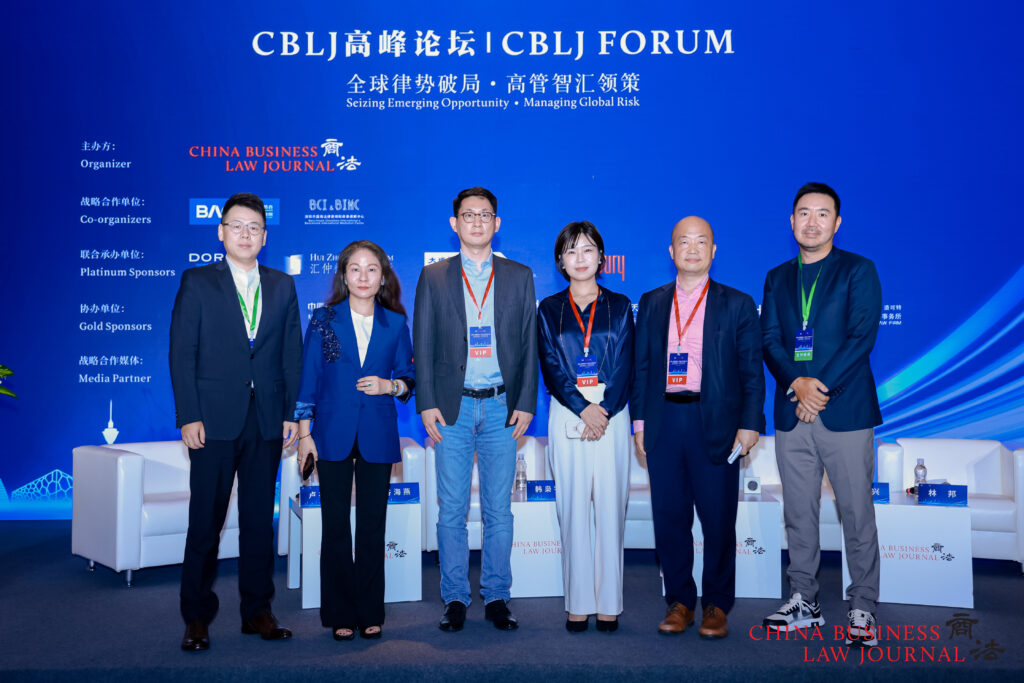

Finance in focus: A regulatory and judicial perspective

Tahota Law Firm panellists:
Tian Qi, partner
Jiang Qiang, consultant
Institution/Enterprise panellists:
Susan Wang, partner, Ming Bioventures
Iris Chen, head of legal, BNP Paribas ABC Wealth Management
Betty Xiang, general manager of PE legal and compliance, Ping An Trust

Tian Qi
TIAN QI KICKS OFF the discussion by turning the spotlight on financial product suitability. She points out that the Administrative Measures for the Suitability Management of Financial Institution Products, released on 11 July, represents a major shift. It moves away from the old, fragmented approach of regulating by institution and by product, and instead establishes a comprehensive framework governing suitability for all financial products across all institutions.

Susan Wang
Susan Wang recounts how China’s private equity sector has transformed in recent years, moving from a loosely regulated environment to one of sophisticated oversight. The industry’s regulatory framework evolved from the China Securities Regulatory Commission’s initial interim measures to the comprehensive regulations that rolled out in 2023. “On the ground,” she says, “funds used to be able to raise capital without even being officially registered. Today, there are incredibly detailed rules for every single stage of the fund lifecycle: fundraising, investing, management and exit.”

Betty Xiang
In Betty Xiang’s view, the PE space should be a relatively straightforward area for compliance, since its lifecycle is more or less process-driven. If a firm does its job correctly by properly classifying investors, conducting questionnaires, and completing the required dual audio-video recordings, it should not be on the hook for losses under the “seller’s duty, buyer’s risk” principle. Her observation in the past decade is that when angry investors sue over losses from wealth management or PE products, their main line of attack is almost always suitability.
She stresses that a properly executed dual recording can be a powerful shield for a financial institution during a regulatory audit, or in a dispute over investor suitability. “These regulations during the fundraising phase don’t just protect consumers, but also help financial firms by making the sales process more professional and sustainable for the entire industry,” she says.

Jiang Qiang
Jiang Qiang points out that since most consumers now buy financial products online, digital sales platforms must have explicit suitability procedures built in. But he sees a silver lining for financial institutions: A well-designed system with robust and effective steps can itself become a powerful defence, potentially shielding the firm from liability.
“The last economic wave triggered a flood of lawsuits and arbitrations, and those cases effectively rewrote the rulebook,” he says. “As we head into the next economic cycle, today’s rules will face their own tests and challenges, and that is what will continue to push practical development forward.”

Iris Chen
Iris Chen argues that for regulators, it is not enough for a financial product to have a reasonable rating. Equally crucial is that it is sold to the right pool of potential investors. The regulatory ground has been shifting quickly, she notes, because China sees embracing international standards, the rule of law, and market-driven development as its core strategy for navigating geopolitical challenges.
“From a rule-of-law perspective, we are living in a great era for consumers and investors,” she says. “When regulators fine-tune the rules for the fund industry, they do so not just to keep things going steadily, but also to boost consumer confidence and ensure the industry can grow on a solid, sustainable footing.”
Photos
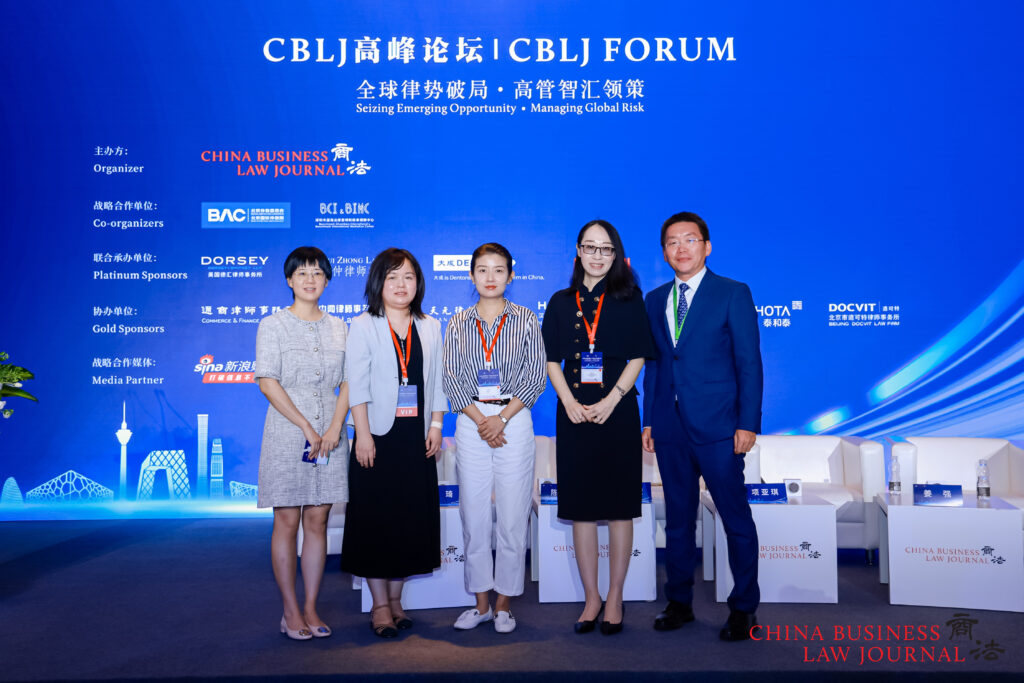

Afternoon session | Workshop 2
Asset recovery and enforcement in the US
Cross-border arbitration strategies and practice

BZW Law Firm panellist:
Bai Xiao, partner & chair of the executive committee
Institution/Enterprise panellists:
David Lin, senior director of legal and compliance, Desay SV
Helen Gu, general counsel, Sina Group
Li Li, general counsel, CMOC Group
Liang Xingbo, general manager of legal and compliance, international division, Beijing Urban Construction Group
Zhao Hao, legal and compliance department director, China National Oil and Gas Exploration and Development Company
Ruby Zhou, founder and CEO, LAWPLUS

Bai Xiao
BAI XIAO, the moderator of the panel, structures the discussion on cross-border arbitration into two key phases: clause drafting and dispute resolution. She poses the central question: “Do international transactions typically favour arbitration as their preferred dispute resolution mechanism?”

Helen Gu
Helen Gu affirms this position, stating that arbitration remains the primary choice for significant commercial disputes. “The enforceability factor is paramount,” she says. “Chinese court judgments lack universal recognition abroad, whereas arbitral awards benefit from the [New York] Convention. Equally crucial is confidentiality – particularly for listed companies, where maintaining commercial discretion is often essential.”

David Lin
Addressing clause drafting, David Lin highlights several critical considerations: “First, distinguishment between ad hoc and institutional arbitration; second, the concept of the seat of arbitration; third, the arbitration language (whether bilingual); and last but not the least, the governing law.” On dispute resolution, Lin notes the particular challenges arising from evidence disclosure, while identifying this as a pivotal juncture that often drives parties towards settlement.

Liang Xingbo
When discussing strategy development during arbitration proceedings, Liang Xingbo emphasises that arbitration serves as a mechanism for resolving disputes between parties, with the ultimate objective being to protect corporate commercial interests and reputation at minimal cost. She introduces the concept of “dynamic adjustment”, advocating for comprehensive evaluation to identify opportune moments for settlement negotiations. “Legal teams must adopt a broader perspective when advancing arbitration strategies, as this holistic approach truly demonstrates the value of in-house counsel,” she says.

Zhao Hao
Zhao Hao concurs that arbitration serves as a means to resolve disputes, rather than being an end in itself. He says arbitration requires more than just the legal department’s involvement, and must align with both corporate strategy and national interests to facilitate settlement negotiations. Zhao also champions greater Chinese participation in international arbitration: “We hope to see more Chinese professionals making their mark in this field going forward.”

Li Li
On developing talent for international arbitration, Li Li posits arbitration as a process of commercial realignment – “a rare opportunity for legal professionals to reshape business terms and value propositions”. This, he argues, makes commercial-legal integration vital. He cautions legal counsel to strike a careful balance between cost containment and leveraging external expertise, as the challenge lies in judiciously managing counsel fees while fully utilising external lawyers’ specialist knowledge through optimised collaboration frameworks.

Ruby Zhou
Ruby Zhou concludes that cross-border arbitration demands multifaceted professionals combining legal expertise, communication skills, strategic negotiation capabilities, and leadership qualities. In the complex geopolitical landscape today, she characterises international arbitration as a litmus test under scrutiny – “serving both as Chinese enterprises’ self-preservation mechanism and international legal talents’ proving ground”.
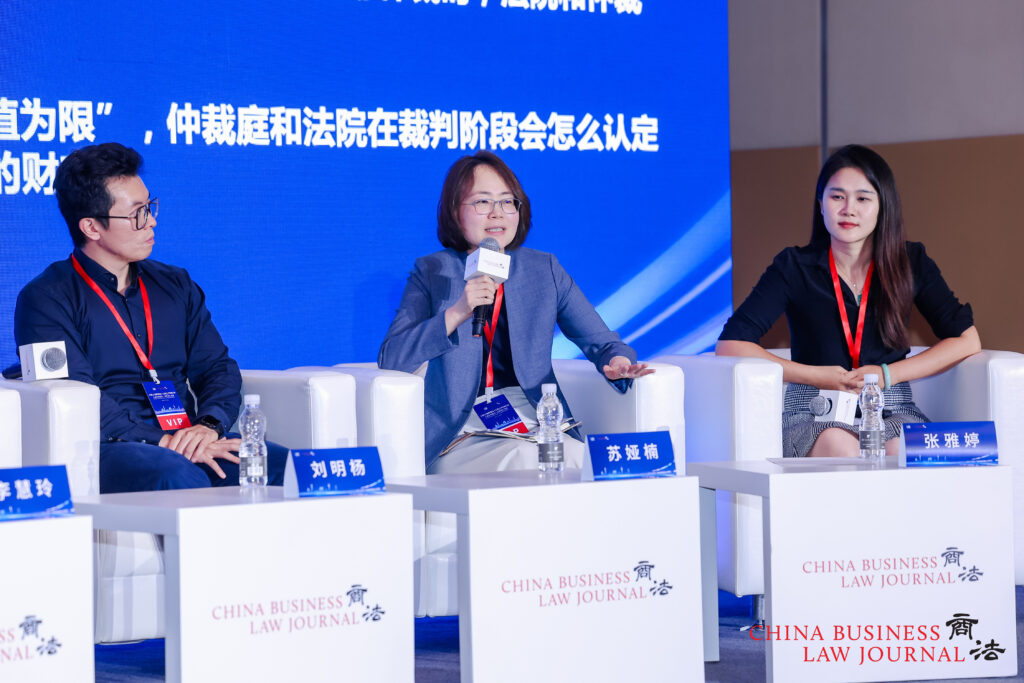
Photos
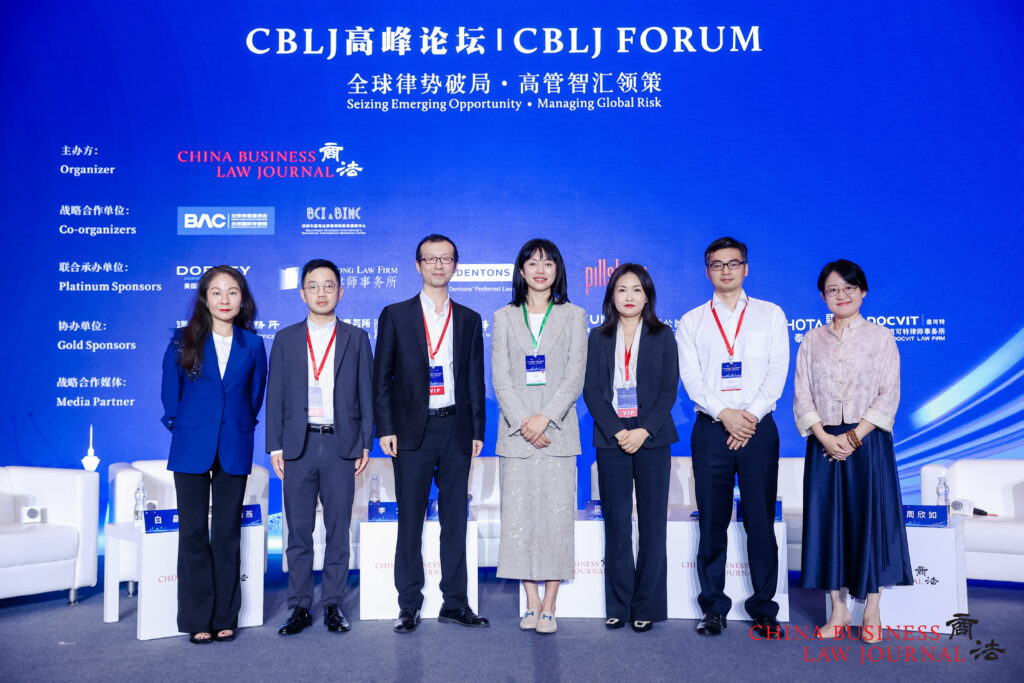

Arbitrating equity deals: Key issues in investment and exit
Commerce & Finance Law Offices panellist:
Li Zhao, partner
Institution/Enterprise panellists:
Duan Tao, arbitrator, Beijing Arbitration Commission
He Qing, managing director of the legal and compliance department, CDH Investments
April Li, senior director of legal and risk control, Oriza FOFs
Kobe Liu, general counsel, HollySys
Su Yanan, general manager of compliance and risk control, China Life Capital Investment
Tina Zhang, legal director, Heyi Capital

Li Zhao
LI ZHAO MODERATES the panel, facilitating the discussion with six panellists examining four key issues: (1) whether capital reduction constitutes a mandatory prerequisite for company repurchases; (2) the timeframe for exercising repurchase rights; (3) the negotiation dynamics between different investor tranches regarding repurchase priority; and (4) limitations on founding shareholders’ liability.

Duan Tao
Duan Tao observes that capital reduction issues reflect their historical context. In arbitration practice, he notes, tribunals primarily examine the clarity of contractual terms and the target company’s operational status – factors that significantly influence the ultimate ruling’s direction. Addressing repurchase right timeframes, Duan argues that formation rights inherently fall outside statutory limitation periods, and that the mere passage of time should not automatically invalidate such claims. “When repurchase clauses are triggered, both investors and companies typically seek mutually beneficial outcomes rather than engaging in zero-sum negotiations,” he says.

Su Yanan
From an investment firm’s perspective, Su Yanan advocates for proactive risk assessment and mitigation strategies. She recommends circumventing potential deadlocks in capital reduction through carefully structured joint liability clauses or contractual default provisions. “Default terms represent a strategic tool for investment institutions,” she says. “They serve dual purposes – effectively safeguarding stakeholders’ interests while creating constructive pressure for founders and companies to comply with capital reduction requirements.”

Kobe Liu
From both investor and investee perspectives, Kobe Liu proposes an innovative procedural pre-emption approach: “By embedding pre-agreed capital reduction consent clauses in shareholder agreements, future disputes can be circumvented through automatic triggering mechanisms.” On repurchase priority, Liu adopts a distinctive position of strategic investors, prioritising synergistic value over pure financial returns. “While economic benefits remain secondary in our calculus, these provisions serve as vital leverage points to ensure founder accountability,” he says.

He Qing
He Qing emphasises that repurchase rights remain investors’ fundamental concern and entitlement. “Investment firms ultimately seek mutually beneficial outcomes, working to create business opportunities that enable portfolio companies’ growth while facilitating graceful investor exits,” she says. Addressing liability limitations for founding shareholders, He draws a crucial distinction between shareholding-limited and share value-limited obligations, which ultimately determine whether personal assets become exposed. She also stressed the primacy of contractual autonomy alongside the principle of “good-faith realisation” when enforcing such provisions.

April Li
April Li also characterises litigation as a zero-sum game, advocating for greater focus on alternative dispute resolution mechanisms. She cautions investors against readily accepting exercise period clauses, urging scrutiny of such provisions. Li also highlights emerging considerations with government-guided funds: “Quantitative metrics tied to local reinvestment requirements are evolving into distinctive repurchase triggers,” she says. “These mechanisms may well establish new equilibrium points in investment agreements.”

Tina Zhang
Tina Zhang identifies repurchase priority as fundamentally reflecting the negotiation dynamics between new and existing investors. While acknowledging later-round investors’ higher valuation costs, she maintains that early-stage backers should not readily concede preferential rights. “Given extended capital lock-up periods and fund maturity pressures, we must safeguard exit pathways through careful contractual negotiations,” says Zhang. Her proposed solution involves trading concessions on liquidation preferences or veto rights as strategic bargaining chips.
Photos
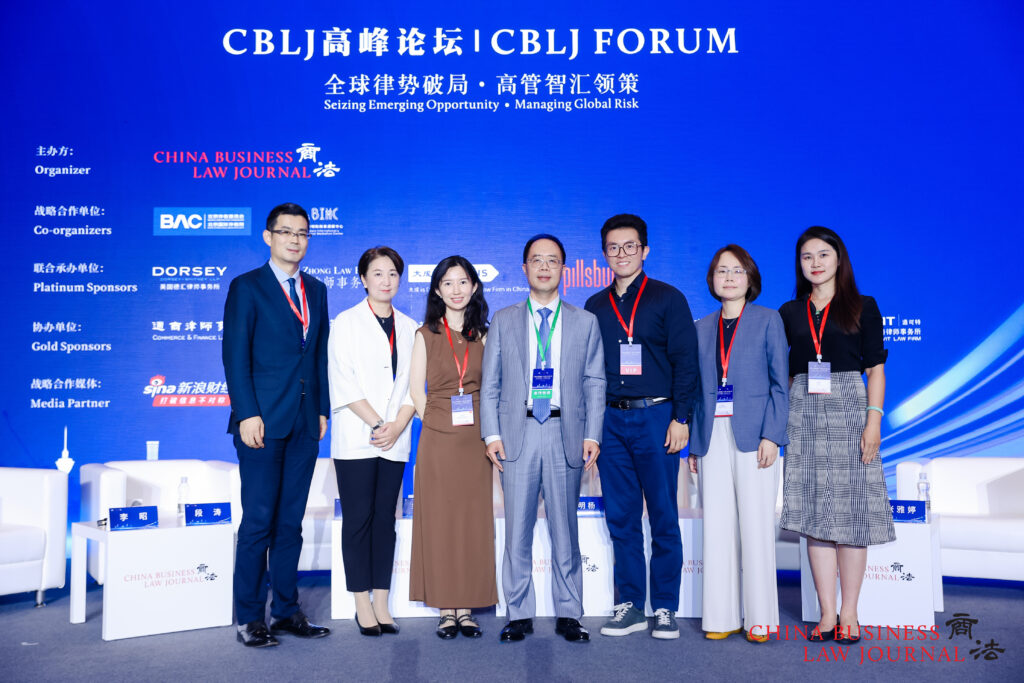

Asset recovery and enforcement in the US
Pillsbury panellists:
Geoffrey Sant, co-chair of China practice and litigation partner
Carol Lee, chief representative of the Beijing office, litigation partner
Institution/Enterprise panellists:
Fu Tong, co-founder and CEO, Houzhu Capital
Xu Yehong, legal director, Nuctech

Geoffrey Sant
WITH HIS TRADEMARK light-hearted approach, moderator Geoffrey Sant introduces a robust discussion on the complexities surrounding asset recovery within US jurisdictions.
“Chinese companies venturing overseas essentially face a game of chance when it comes to legal disputes,” says Fu Tong. She outlines the multifaceted challenges in cross-border debt recovery: concealed assets; divergent legal systems; language barriers; cultural differences; stringent data protection laws; difficulties in obtaining information; and protracted enforcement timelines. She also highlights a growing market demand not only for Chinese firms pursuing overseas claims, but for foreign enterprises seeking redress in China.

Xu Yehong
Xu Yehong estimates an 85% success rate for enforcing Chinese arbitration awards in the US. She outlines the execution process for Chinese arbitral rulings in American courts, noting the critical three-year window to file enforcement applications with federal courts after an award is issued. For Chinese arbitration institutions handling international cases, Xu advocates aligning procedural and linguistic standards with global practices. “Asset recovery and enforcement in the US requires highly specialised technical expertise,” she says. “Successful outcomes depend on precise legal foundations, thorough asset investigations, strategic deployment of available tools, and meticulous advance planning.”

Carol Lee
Carol Lee offers businesses three crucial recommendations: “First, engage specialist investigators working alongside legal counsel to trace debtor assets in the US. Second, meticulously maintain all documentation and correspondence with debtors. Third, act decisively to prevent asset dissipation.”
Concluding the discussion, Sant issues a pointed warning about linguistic pitfalls, advising against over-reliance on AI translation tools or third-party translation. He instead advocates harnessing language as a strategic asset to bridge cultural divides.
Photos




Afternoon session | Workshop 3
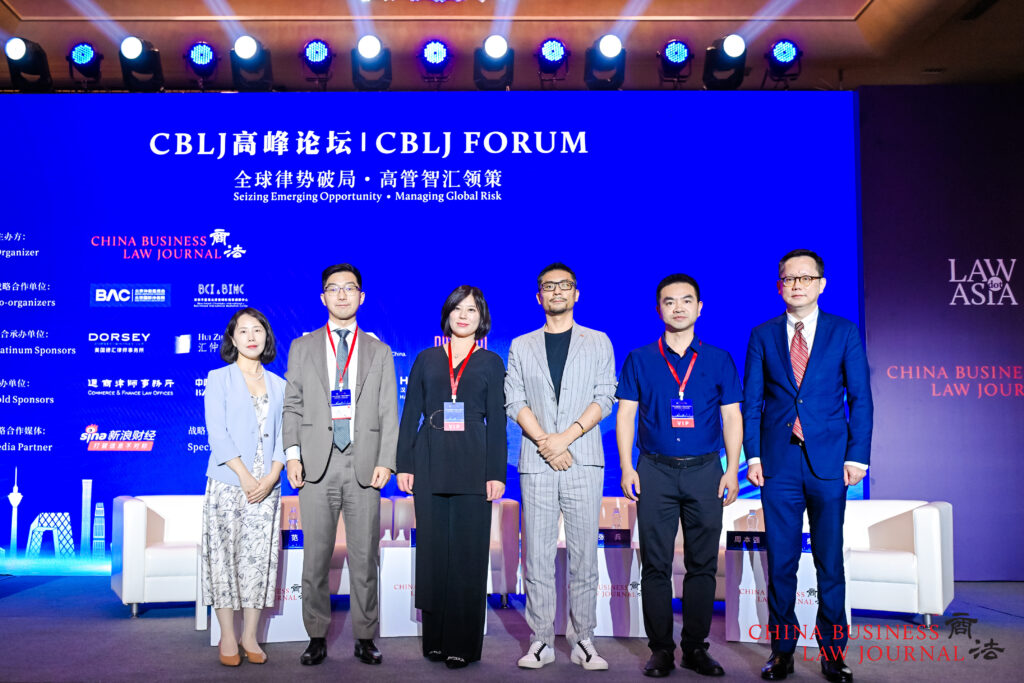
Politics, investigations and data compliance in outbound ventures
Tian Yuan Law Firm panellists:
Zeng Wenwen, partner
Chai Jie, partner
Institution/Enterprise panellists:
Fanley Fan, general counsel and chief compliance officer, IEIT Systems
Lulu Yang, deputy head of the legal department, Hainan Mining
Zhang Bing, legal director, Xiaomi EV
Zhou Benqiang, general counsel and chief compliance officer, Sinohydro Engineering Bureau 8

Zeng Wenwen
ZENG WENWEN, the moderator, says that companies will inevitably face political risks when going global, affecting their trade and supply chains. In some developing countries, regime changes might lead to policy inconsistencies.

Lulu Yang
Lulu Yang shares the importance of negotiating with local authorities when there is a change in regime or when new policies are rolled out. She shares an example of what the mining sector did when Mali’s mining code was enacted in 2023, allowing the Malian state to take up a greater stake in mining projects.
“For more than half a year, all foreign companies in Mali joined forces to negotiate with the government, hoping to clarify which projects would be regulated by the new law and which by the old one,” says Lu.

Zhou Benqiang
Zhou Benqiang says that the infrastructure industry often faces issues related to regime changes, environment, labour, tax audits, investment screening and so on when doing business abroad. He recounts witnessing a large hydropower investment project being halted due to a change in the ruling party.
Zhou urges in-house counsel to be mindful of religion and customs, such as Islamic prayer time, when handling overseas labour matters.

Fanley Fan
Fanley Fan says that gaining recognition from overseas regulators in the US, Europe, Southeast Asia and the Middle East is a major challenge for Chinese companies when going global. He reminds companies to network and learn to build trust among lawmakers and other business stakeholders. They should also adjust business models and intellectual property strategies in response to the latest risk developments.

Zhang Bing
Zhang Bing says that when in-house counsel identify a new foreign legislation that might threaten businesses, they should work with overseas organisations such as lobbying groups and industry associations to voice their concerns to legislative bodies.
“When it comes to stability of legal regulations, in-house counsel can play a very significant role,” he says.
Chai Jie says companies need strong risk resistance if they have large and lengthy investment projects. “When assessing political risks in the host country, we can consider its record,” he says. “If the country is often found to have violated investment protection regulations, it is considered high risk, and we should proceed with caution.”
Photos
Navigating cross-border financing: AML and international sanctions

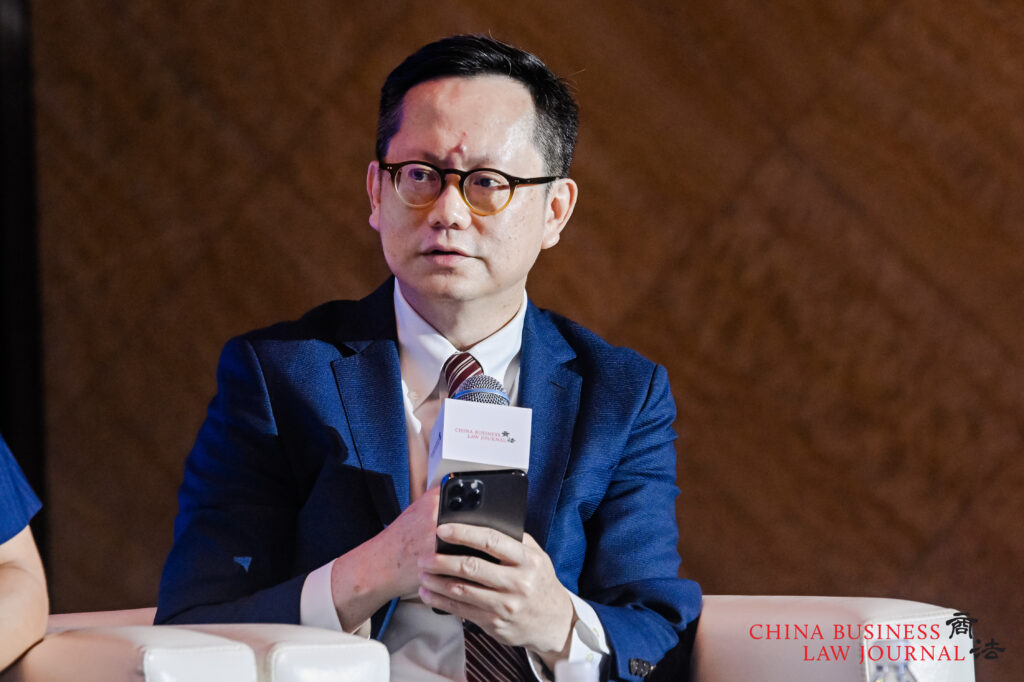
Jingtian & Gongcheng panellists:
Wu Jiejiang, head of the division of finance
James Ma, partner
Dai Guanchun, head of the division of infrastructure and natural resources
Institution/Enterprise panelists:
Steven Cao, senior legal executive, arbitrator and AI legal specialist
Chen Lei, product division manager, Agile Century
Kristin Li, former head of a financial technology company’s legal department; arbitrator

Wu Jiejiang
MODERATOR WU JIEJIANG introduces the panel discussion, which focuses on changes and trends in anti-money laundering (AML) and international sanctions.

Steven Cao
Steven Cao says that sanctions from Europe and the US have prompted many international financial institutions to adopt stricter loan investigations on companies. He suggests that borrowers can protect themselves by using countermeasure clauses and proactively working with financial institutions to conduct due diligence and compliance checks.

James Ma
James Ma suggests that companies should avoid agreeing to all the conditions requested by large international financial institutions and review whether their agreements contain any “overbearing” clauses. He advises companies to engage with lawyers to narrow the scope of liability.
Ma adds that companies should establish anti-money laundering and anti-sanctions procedures and update their systems to reflect the latest UN sanctions lists.

Chen Lei
Chen Lei notes that since the implementation of the new Anti-Money Laundering Law this year, financial institutions have placed greater importance on anti-money laundering enforcement. When companies co-operate with financial institutions to conduct due diligence, they now need to provide more information than before, including clients’ backgrounds and explanations for business decisions, and cross-border projects’ objectives.

Kristin Li
Kristin Li advises companies to conduct thorough due diligence on new clients and to reject any excess funds from them. She observes that, as e-commerce trade grows, criminals are channelling illicit funds into the formal economy by selling popular products sold by international trading companies. She says that in-house counsel should pay attention to transactions involving virtual currencies, as they are harder to trace and investigate.
Dai Guanchun suggests that companies should prioritise expanding their legal departments to oversee export risks. “Chinese companies are growing rapidly, with listed companies becoming more international after going public,” he says. “In this process, it is essential to strengthen internal controls, including its governance and the board.”
Photos
Trade secret protection in labour and employment management

DOCVIT Law Firm panellist:
Jesson Wen, chair of the national corporate practice group and senior partner
Institution/Enterprise panellists:
Leo Chen, chief legal officer, Guangdong Genius Technology
Candy Sun, senior director, Zhaopin Limited
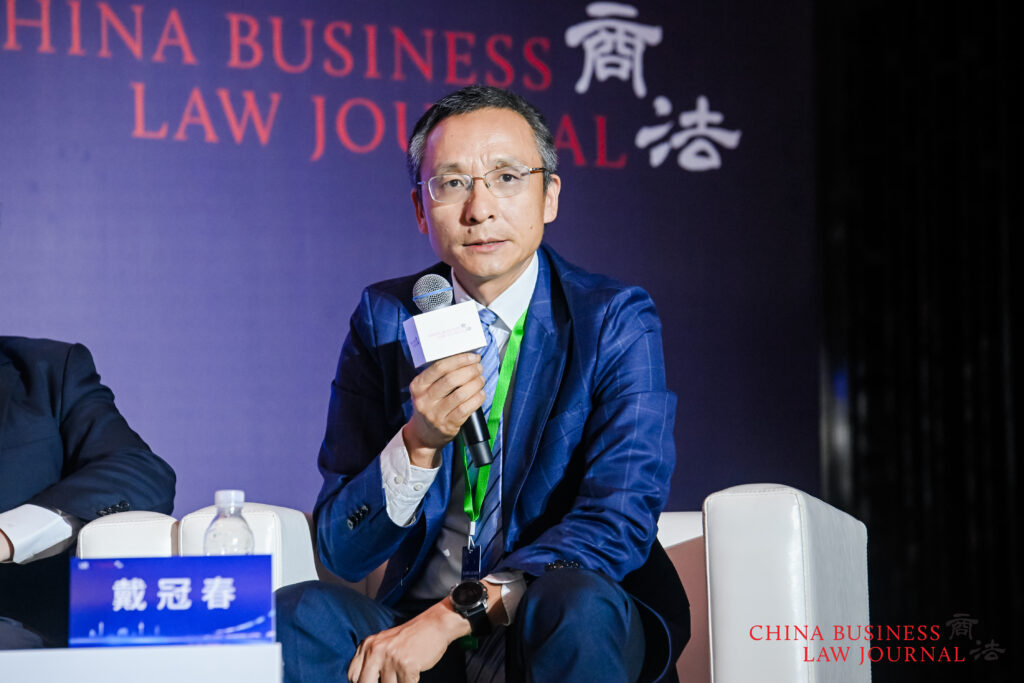
Xu Shaowen, general counsel, chief compliance officer, legal compliance director, China Animal Husbandry Industry
Melvin Zhang, general counsel, chief compliance officer, legal compliance director, Be Friends Holding
Kenneth Zhou, head of legal and compliance, SIG Group’s Asia-Pacific North Region

Xu Shaowen
When it comes to trade secrets protection, Xu Shaowen says that at the project initiation stage of R&D projects, companies should ensure all employees have signed confidentiality agreements that clearly define the scope of confidential information. Companies should also establish a confidentiality system and stipulate confidentiality obligations and non-compete clauses in employment contracts.

Kenneth Zhou
Kenneth Zhou suggests that company executives should use technology to prevent secrets from spreading. “In many cases, you need to rely on technology systems to restrict copying or downloading, so that files will automatically become inaccessible after being downloaded,” he says.
Zhou also recommends that once it becomes known from various sources that a key employee has joined a competitor, the company should immediately initiate trade secret litigation or pursue a combination of arbitration and litigation for non-compete enforcement

Melvin Zhang
Melvin Zhang says companies can educate staff on trade secret protection. “Every quarter, we conduct an integrity education course where everyone watches videos of compliance cases that occurred within the company in the previous quarter … This has a strong impact on employees,” he says.

Leo Chan
Leo Chen says many companies either do not follow the trade secret protection rules they have set, or fail to enforce them. “It is important to establish an internal regulatory framework if one does not exist. Once established, measures should be implemented and enforced,” he says.

Candy Sun
Candy Sun says: “When addressing flexible employment arrangements, as a human resources provider, we protect trade secrets through system building and cultural advocacy.” She also mentions that in the ongoing process of trade secret protection, companies should continue to use external third-party audits, which can serve as a deterrent.

Jesson Wen
Jesson Wen says that there was once a client whose former employee had joined a competitor, and that litigation can be an effective strategy to influence the former employee’s mindset and emotions.
“We know that when it comes to non-compete enforcement, there is not only the arbitration stage but also two stages of litigation, which can take a long time,” says Wen. “During the process, the non-compete period may have passed. I believe while working at the new company, the former employee will not be so bold or so casual in leaking the former employer’s trade secrets.”